

Scaling and Root Planing
What is Periodontal Disease?
Periodontal disease, also known as gum disease, is a common oral health condition characterized by inflammation and infection of the tissues surrounding the teeth. It begins with gingivitis, which causes red, swollen gums that bleed easily. This is often due to plaque buildup.
If left untreated, gingivitis can progress to chronic periodontitis. This affects the deeper structures of the tooth, causing receding gums, bone loss, and potentially leading to loose teeth or tooth loss. Effective oral hygiene practices and regular dental check-ups are crucial for preventing and managing periodontal disease.
How Do We Treat Gum Disease?
Scaling and root planing is a nonsurgical treatment designed to treat gum disease by thoroughly cleaning the teeth and gums. Scaling involves removing hardened plaque and tartar buildup from the tooth surfaces, including below the gum line, while root planing smooths the root surfaces to eliminate rough spots where bacteria can accumulate.
Scaling and root planing can help to reduce inflammation, promote gum reattachment, and prevent further damage to the supporting structures of the teeth. Typically performed under local anesthesia, scaling and root planing is an effective method for managing periodontal disease and improving overall oral health.
Here are three cases of patients diagnosed with different stages of periodontal disease, all of which scaling and root planing was the recommended treatment.
Benefits of Scaling and Root Planing
As a way to safeguard dental health, scaling and root planing is recommended by the American Dental Association to halt the progression of gum disease. Because of this, it can help avoid the need for bone grafting, prevent tooth loss, and mitigate the side effects of chronic periodontitis. Sadly, once gum disease has advanced past gingivitis, it is no longer curable and can only be treated, which is why it’s essential to your long-term oral health that you begin root planing and scaling early.
Stop Gum Disease Progression
First and foremost, scaling and root planing is a way to treat gum disease, promote healthy gums, and preserve your remaining gum tissue. While it can’t prevent periodontal disease, it can help to remove the bacteria (called plaque) that leads to advanced periodontitis.
Address Bad Breath
One of the most embarrassing symptoms of periodontitis is chronic bad breath. As bacteria, plaque, and tartar accumulate under your gum line, they can cause breath that smells like sulfur, rotten eggs, or even decay. Scaling and root planing can mitigate this by removing this buildup and, hopefully, making it more difficult for it to return.
Prevent Tooth Loss
Periodontitis is a leading cause of tooth loss in adults. Scaling and root planing treatment aims to address the early factors that lead to tooth loss, which helps to protect your teeth and reduce the risk of loss.
Avoid Plaque and Tartar Buildup
Even if you use an antibacterial mouthwash, brush your teeth regularly with a soft brush, and floss daily, sometimes more drastic measures are necessary. Once your dentist removes all the plaque under your gum line, it’s usually far more difficult for it to return because the tooth roots are smoother after the treatment.
Better Health
Obviously, though, the main benefit of scaling and root planing is better overall dental health. And, it’s not just your teeth, either! Periodontitis has been linked to arthritis, chronic kidney disease, coronary artery disease, Alzheimer’s, and other serious health conditions. By treating your gum disease, your dental professional isn’t just safeguarding your teeth, they’re protecting your entire body.
Case 1 – Damaged Gum Tissue
Before
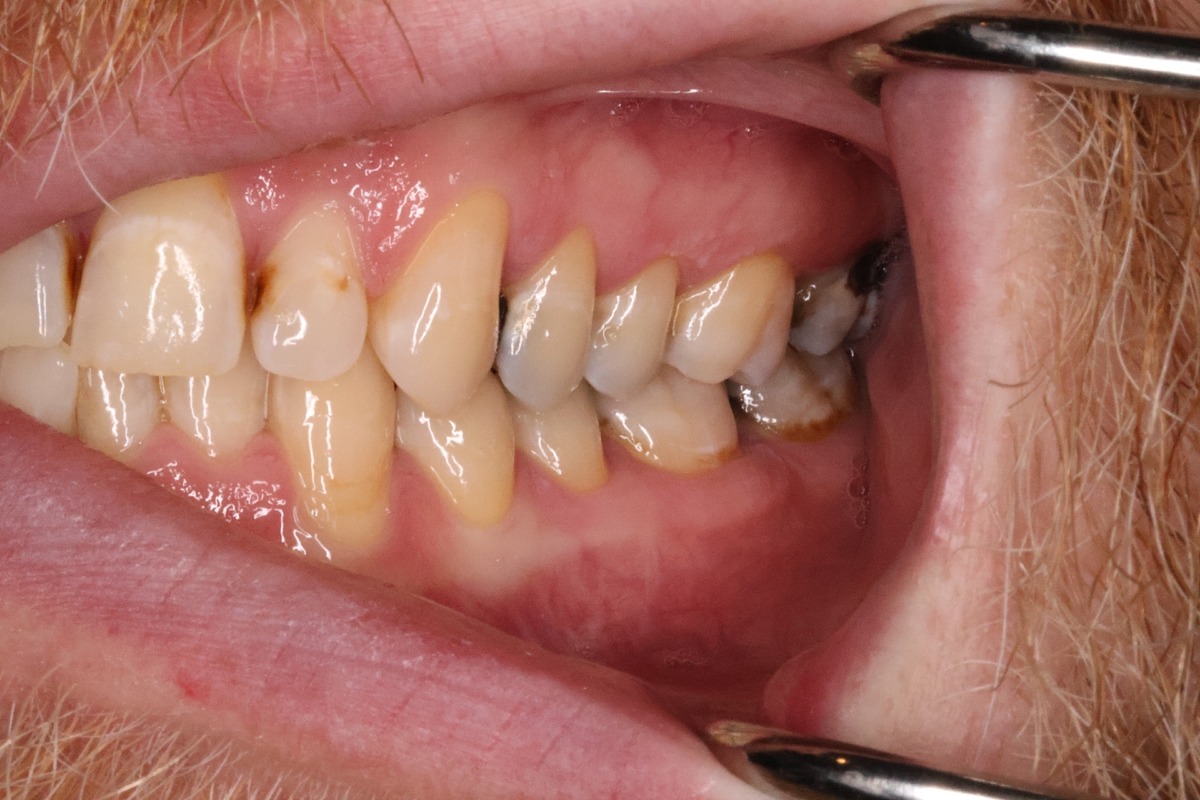
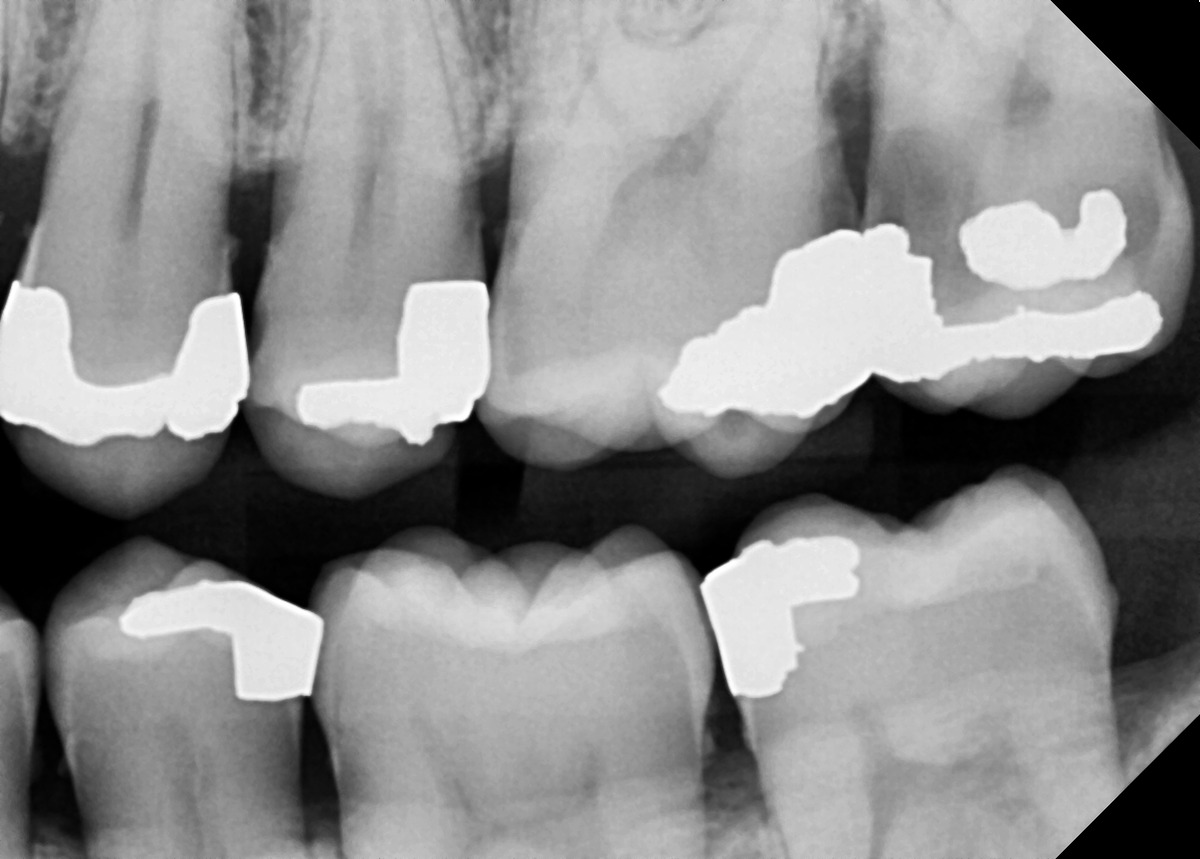
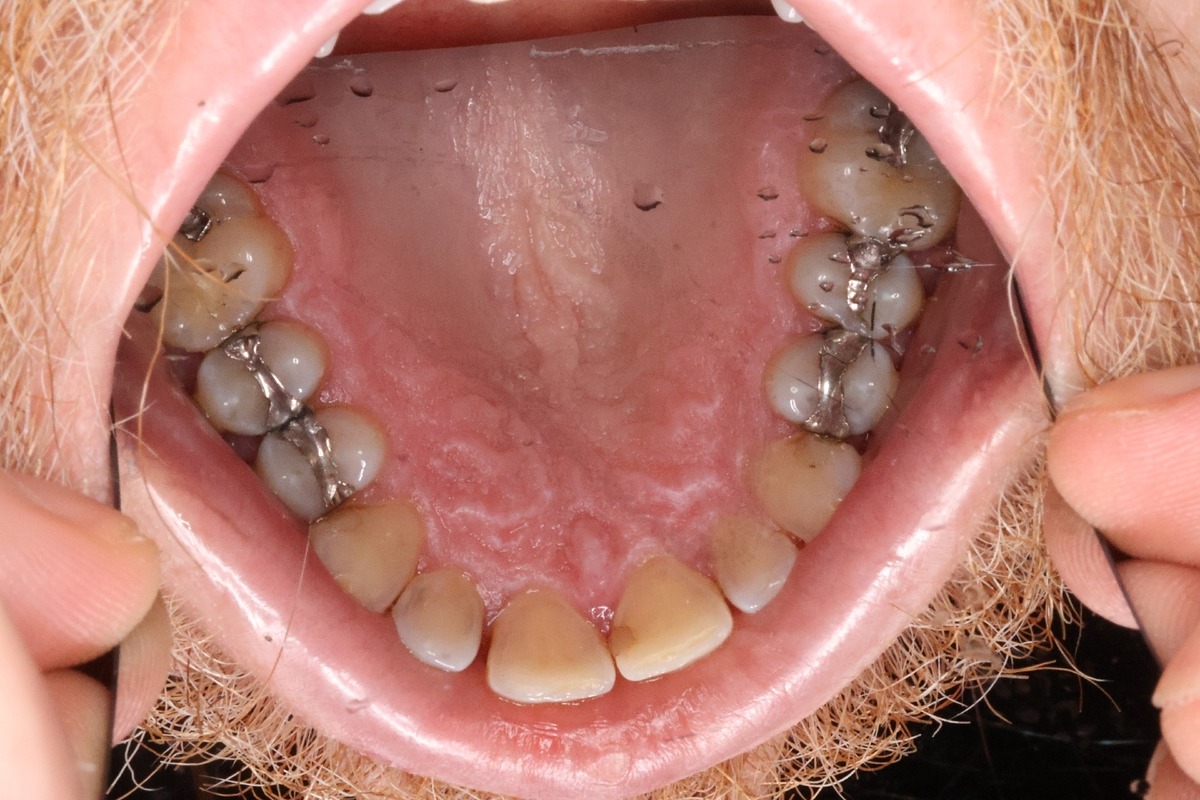
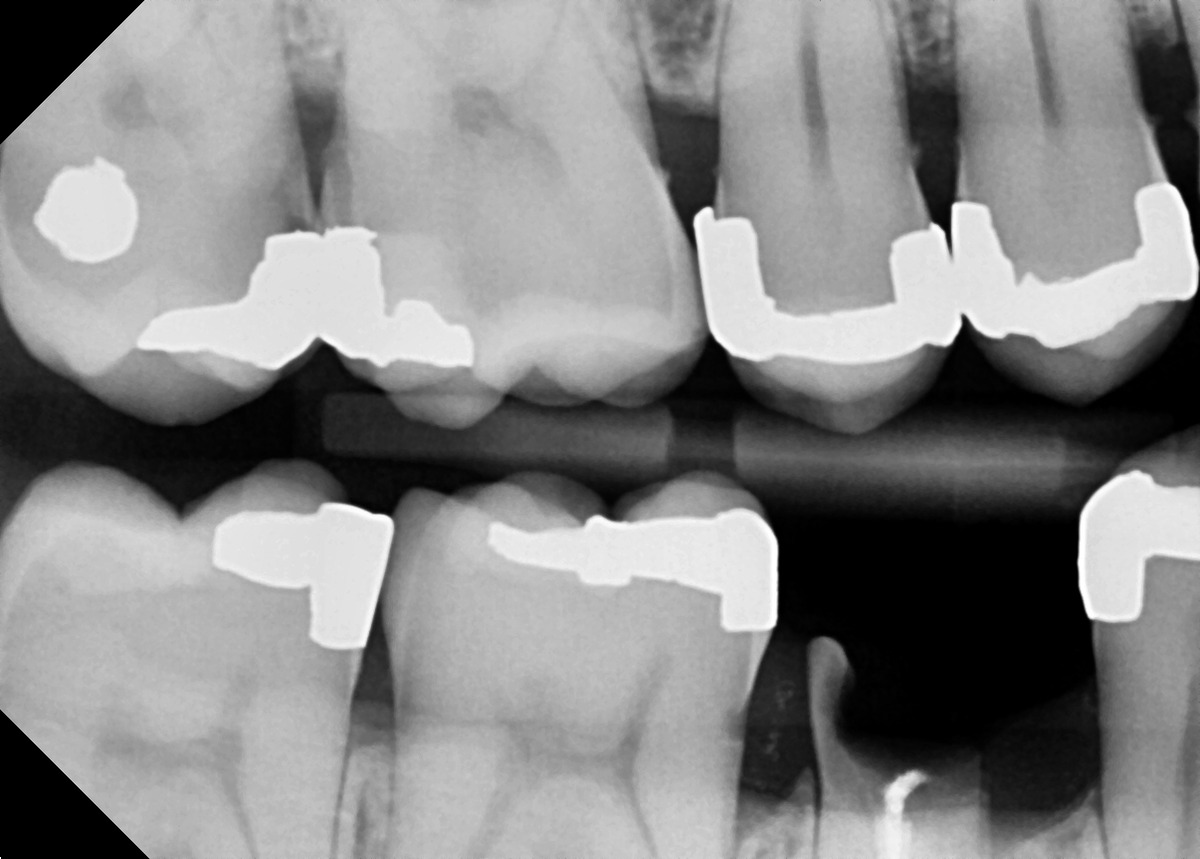
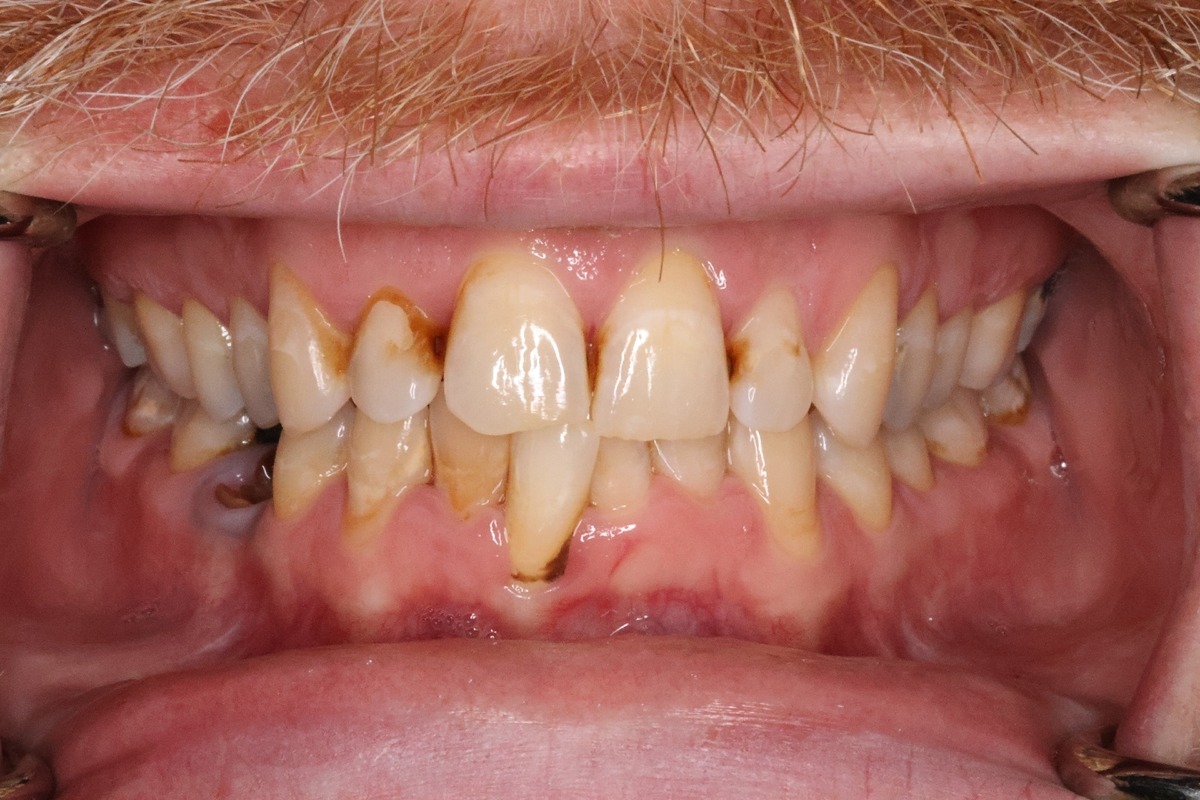
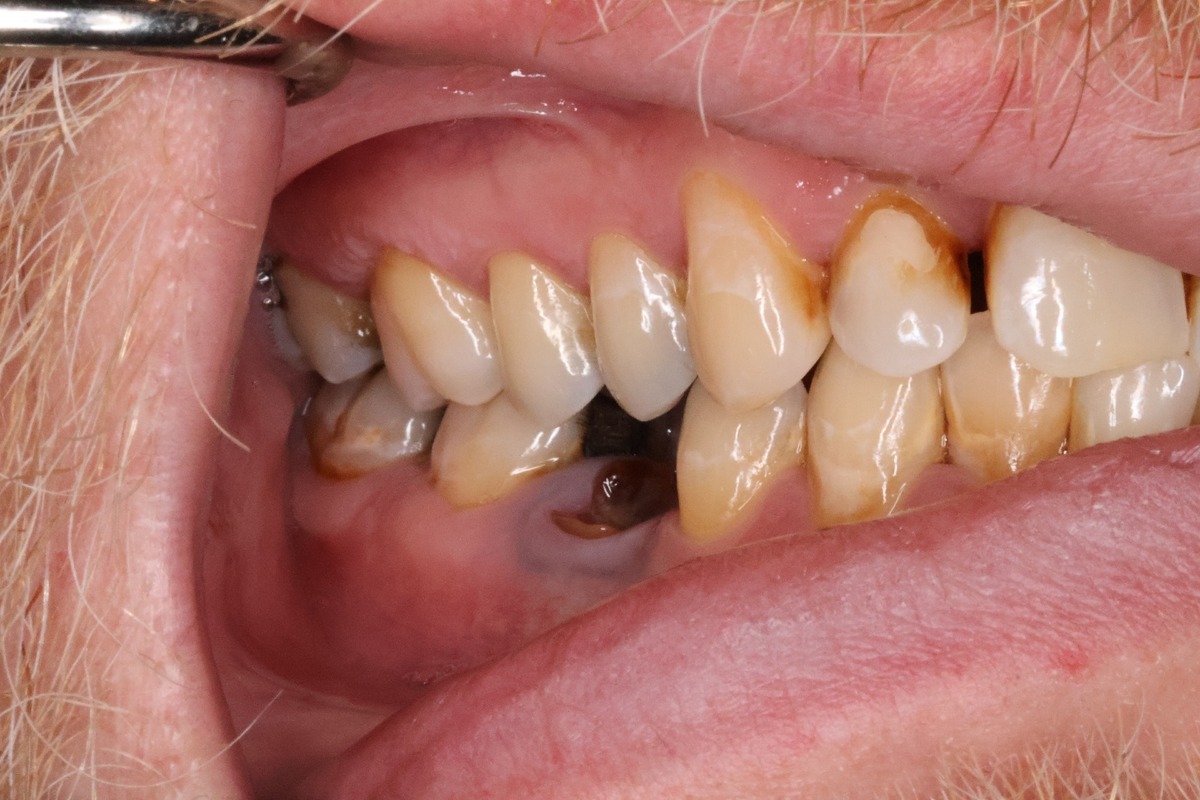
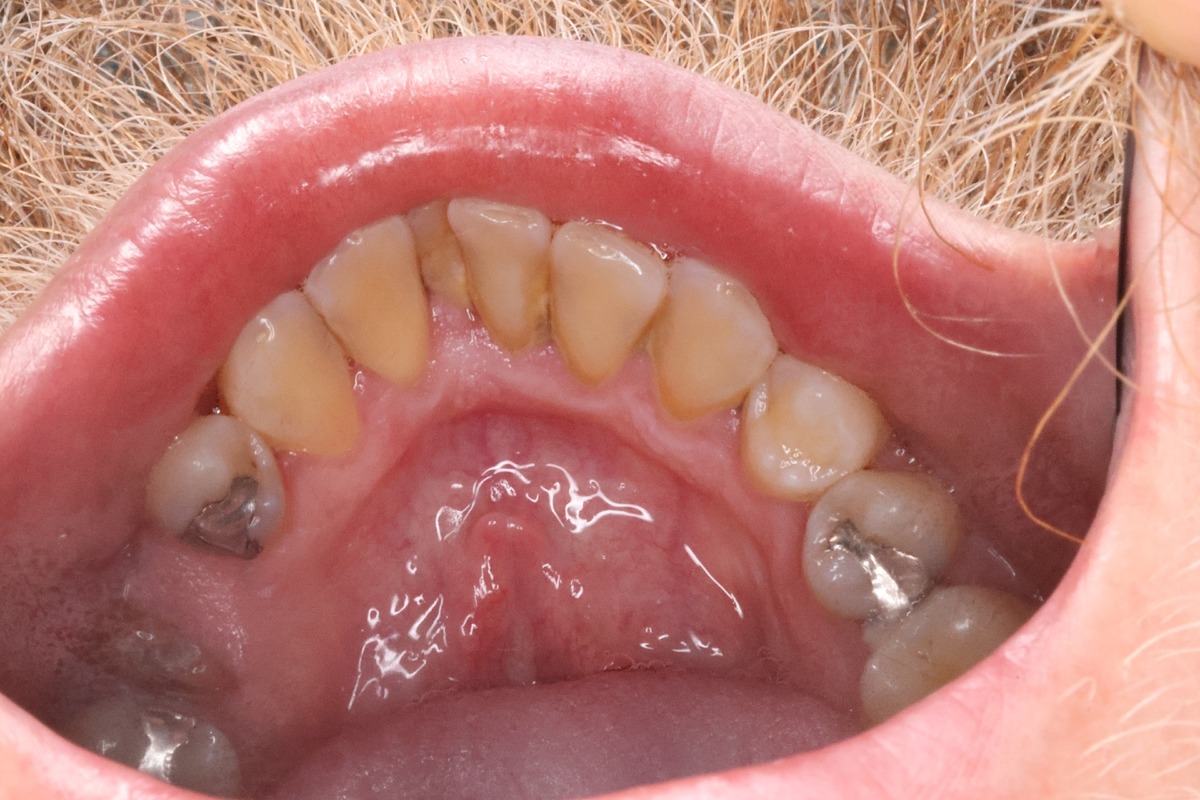
A 35-year-old male, who had not been to the dentist in over a decade, arrived at West Wind Dental. He sought help in assessing his oral health and finding ways to improve it. He presented with swollen, bleeding gums; lost bone between the teeth; and a substantial amount of tartar buildup underneath the gum line, which can be seen on his X-rays by the opaque white spur protruding off the crowns or roots of the teeth.
Due to not being seen routinely, the patient’s situation declined and developed into advanced gum disease. The patient was adamant about making a change. In order to return this patient to health, we proceed with the process of scaling and root planing.
After
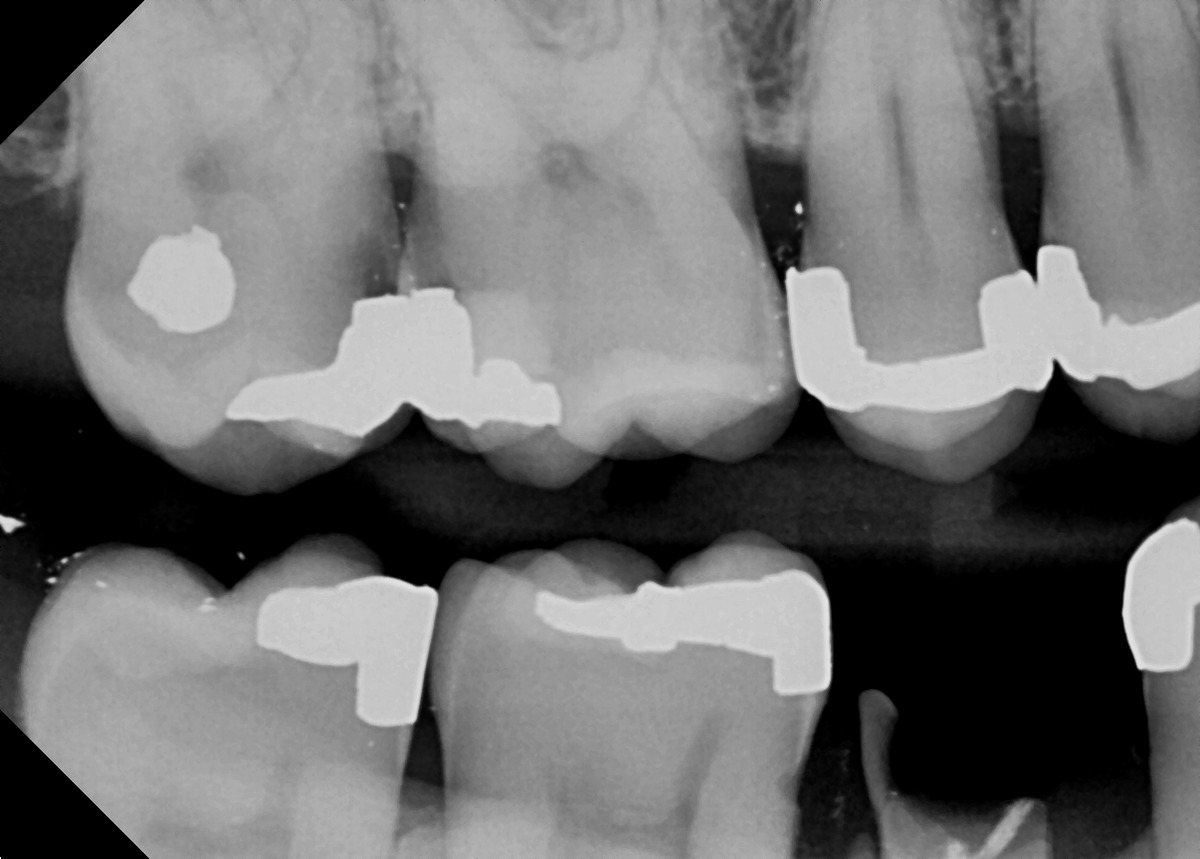
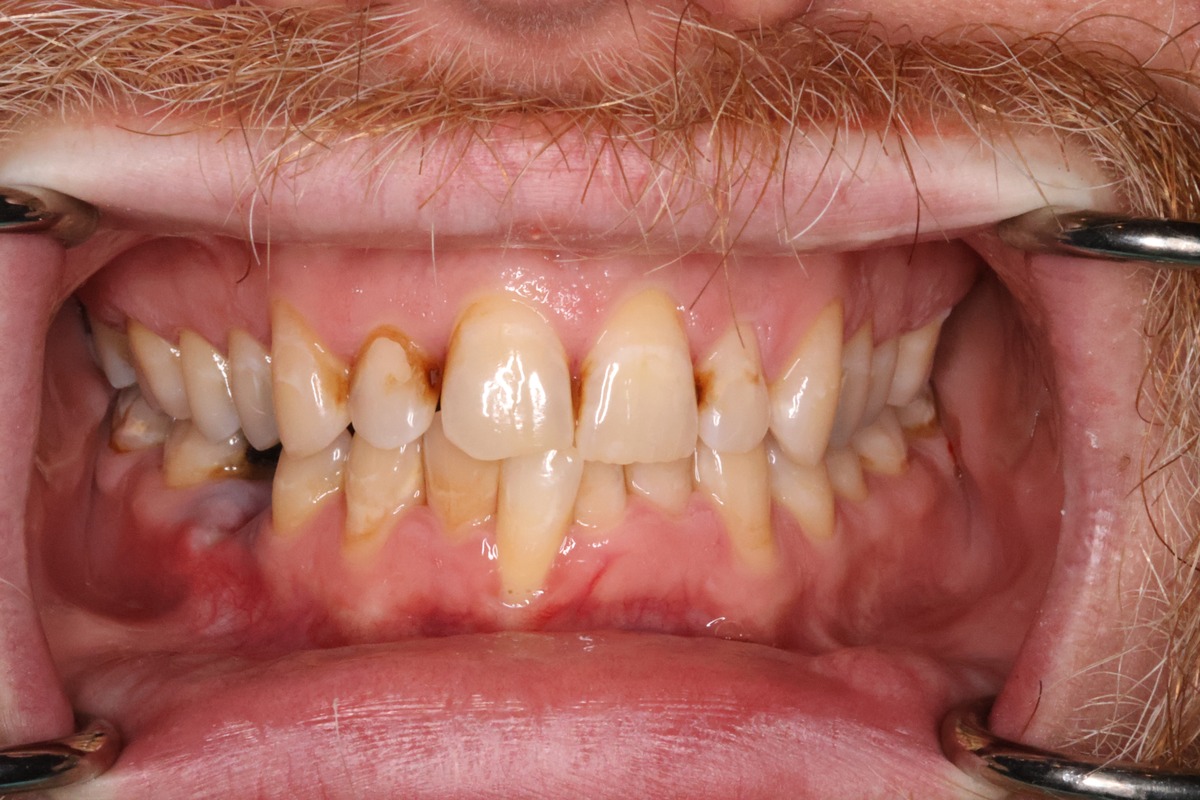
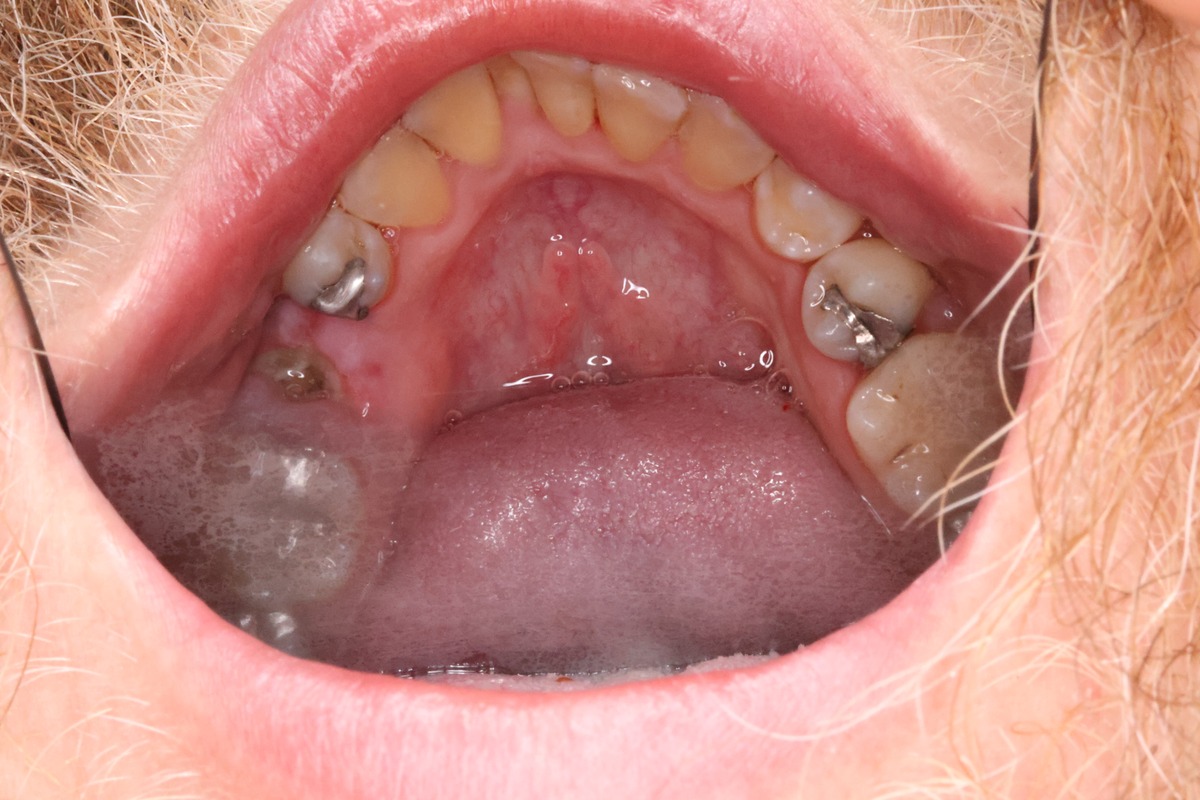
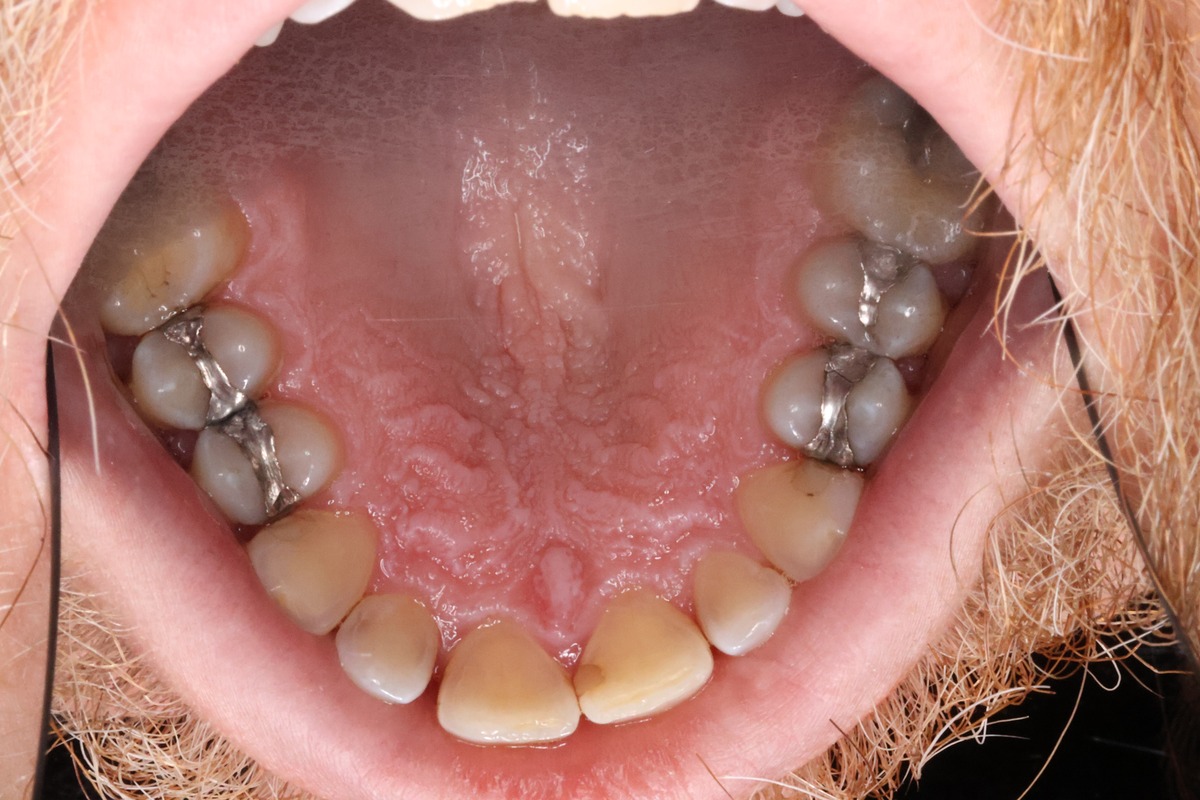
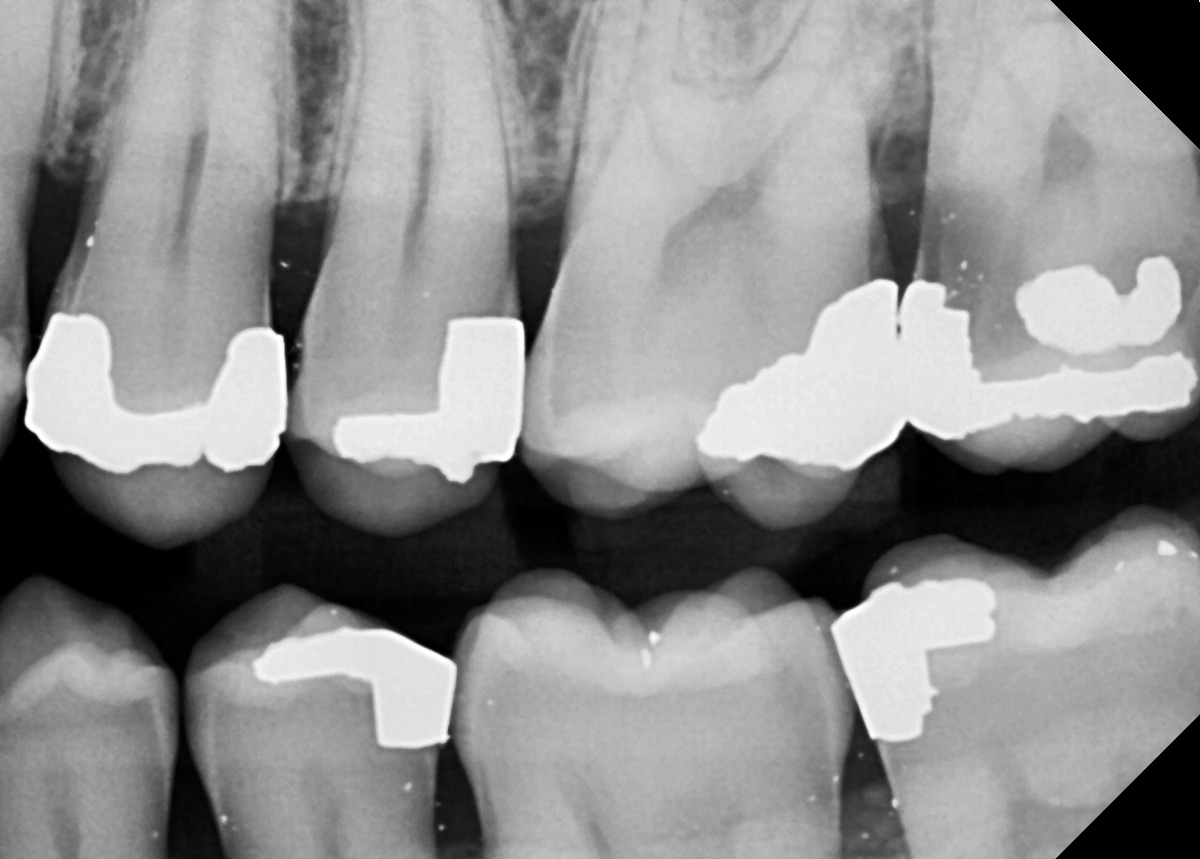
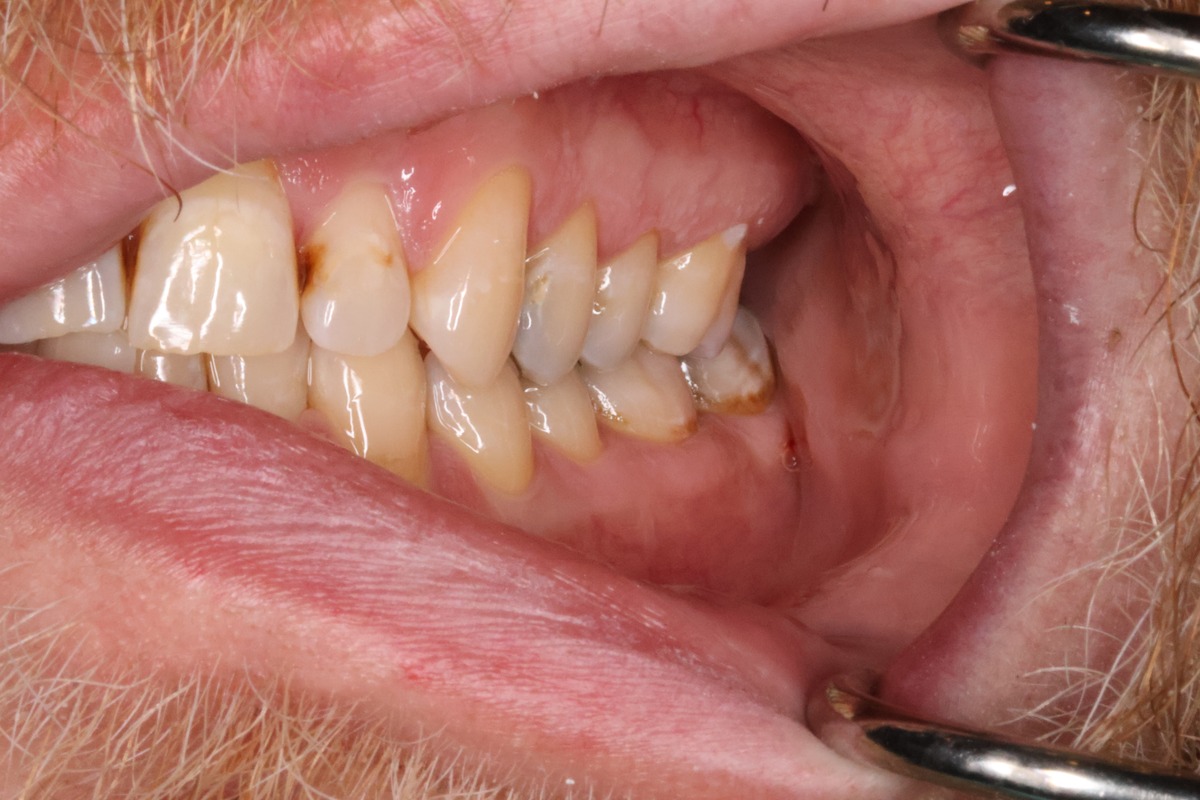
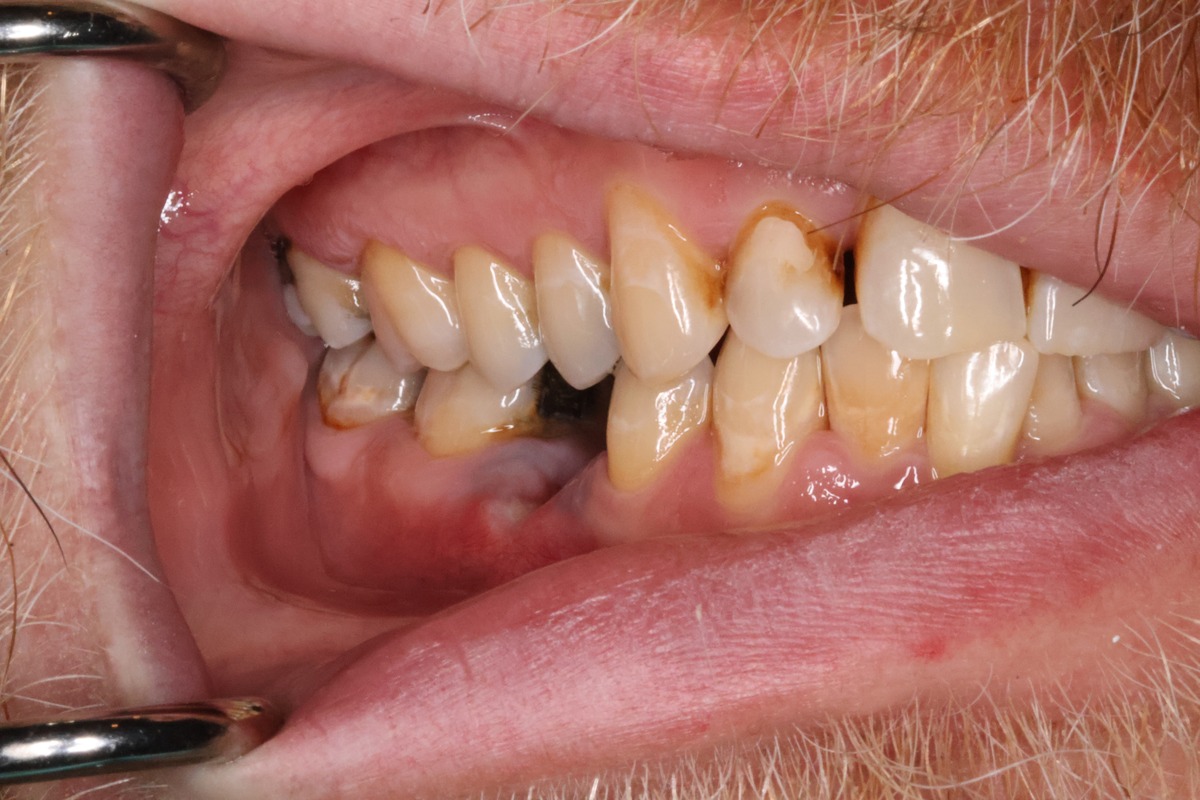
Once the cleaning was completed and X-rays were utilized to confirm tartar removal, the patient returned for a follow-up appointment four weeks after treatment to assess the gum tissue. During the assessment, we noted that the gums had healed well. The tissue was no longer red, his puffy gums had healed, and he showed no bleeding during the gingival assessment.
Since treatment, the patient has continued to work diligently with his home care and is set up to be seen more frequently. While it is very important to see a dental hygienist for professional cleaning, the daily practice of oral hygiene is just as essential.
Case 2 – Severe Bone Loss
Before
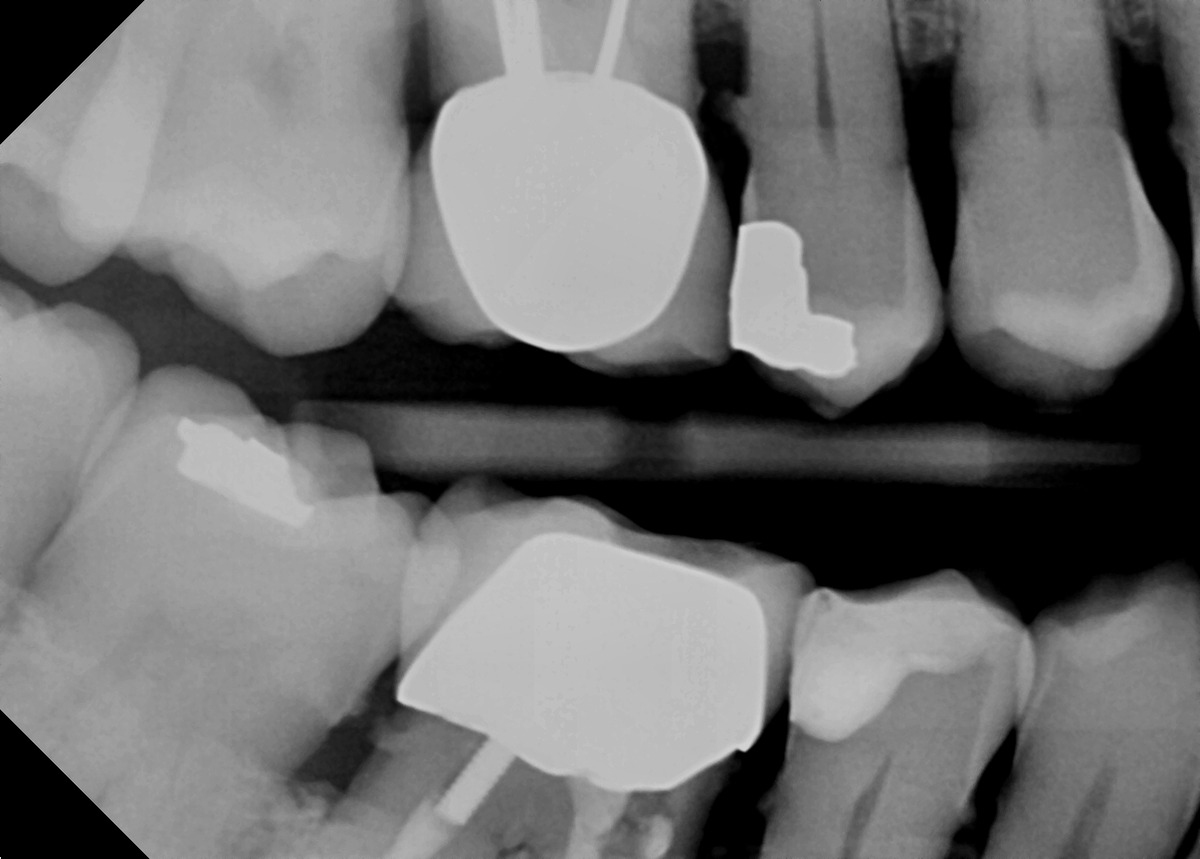
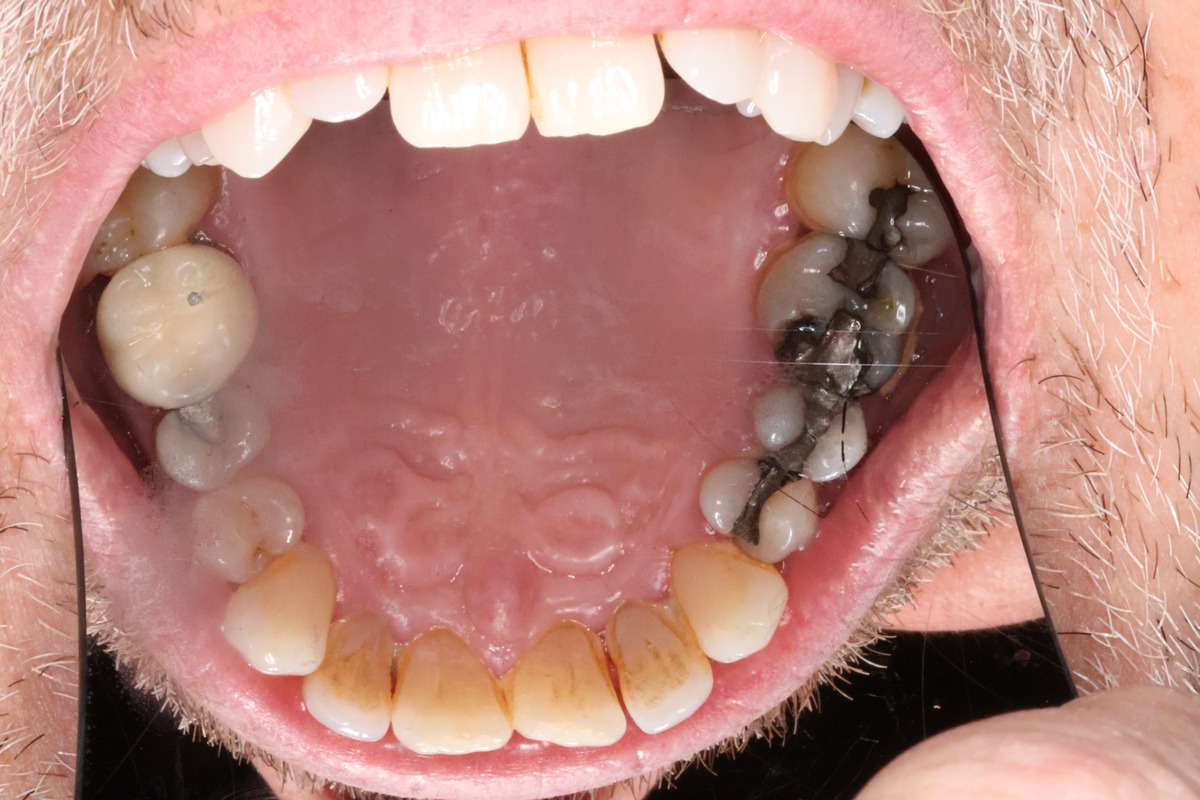
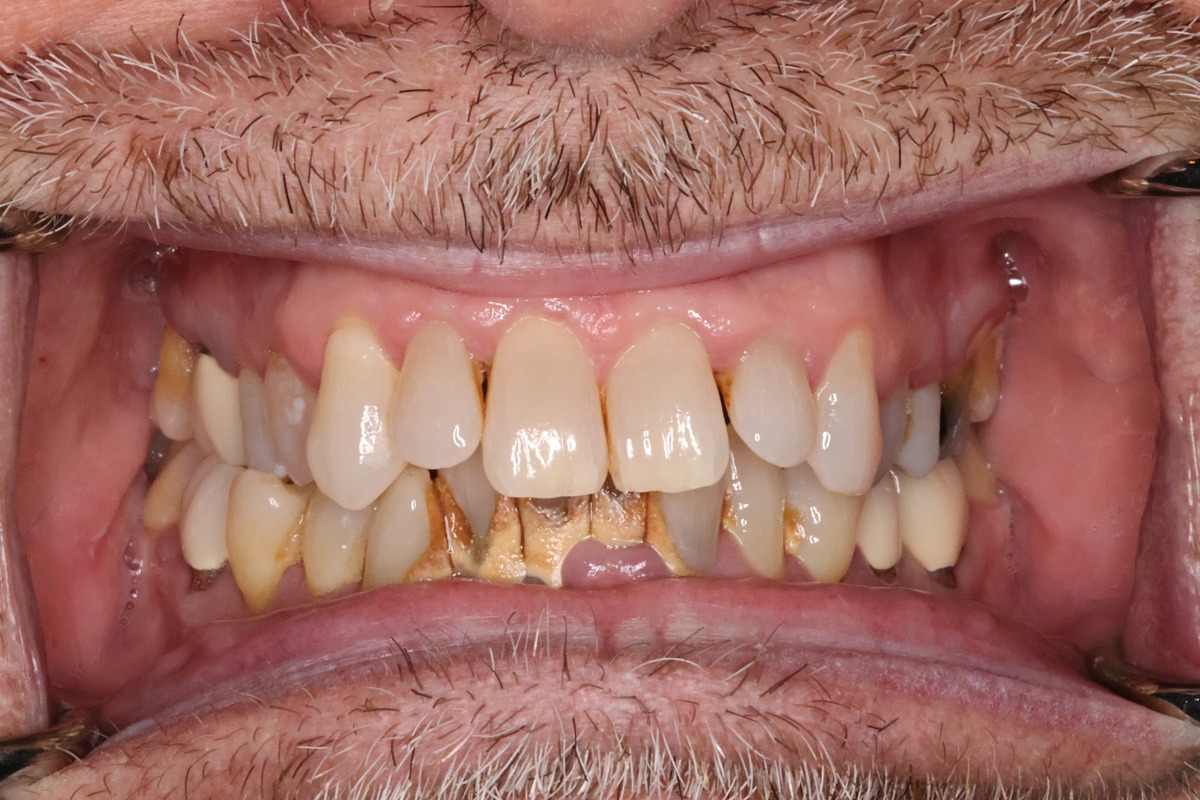
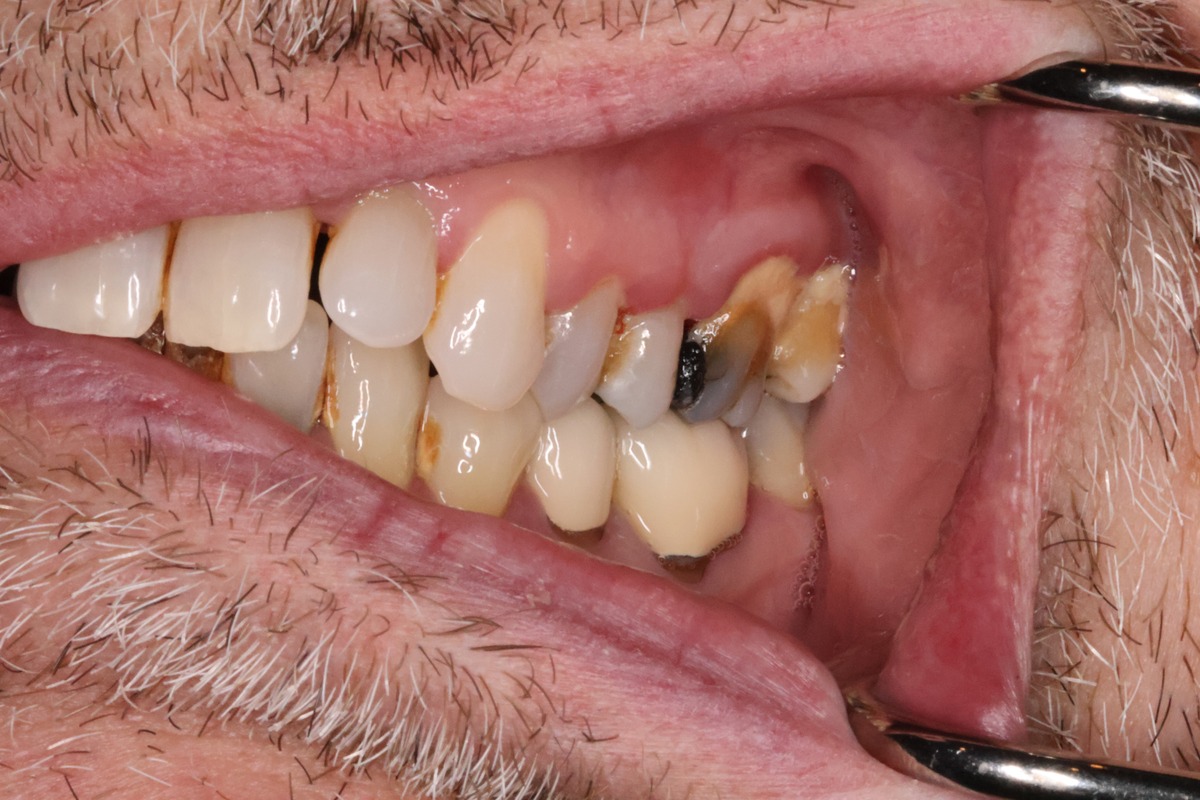
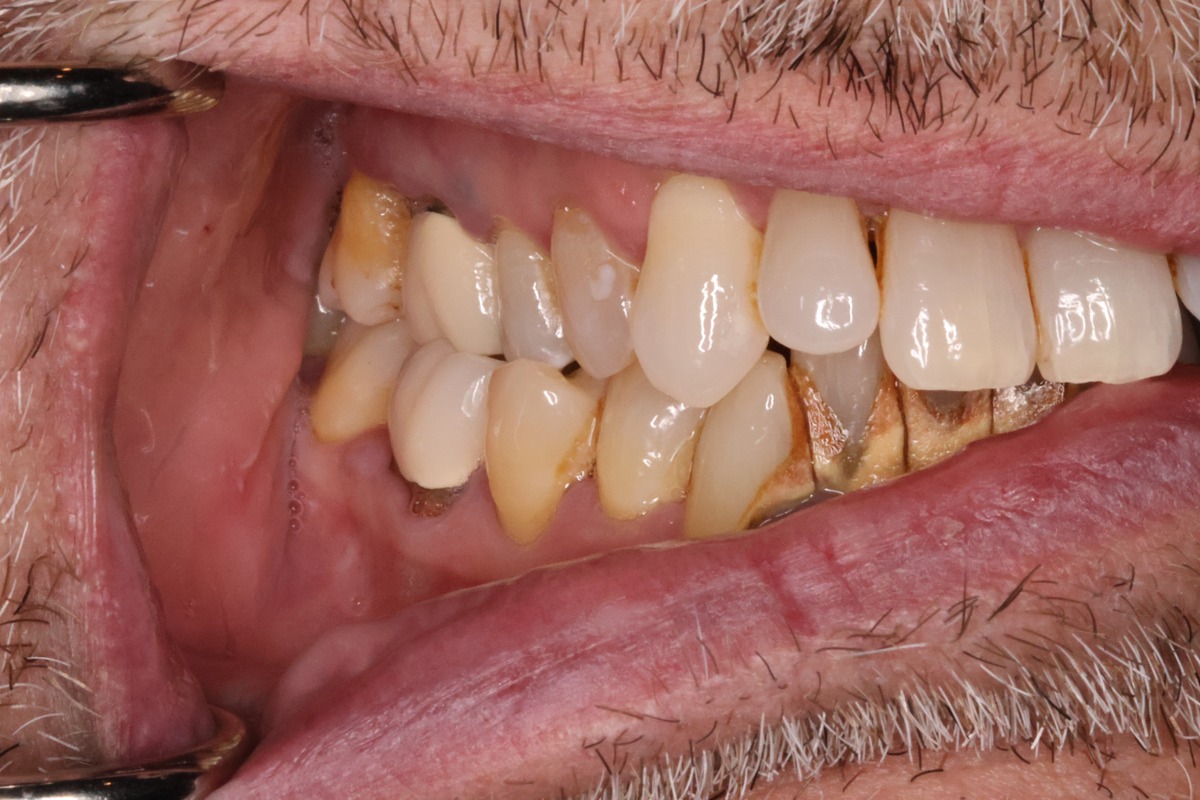
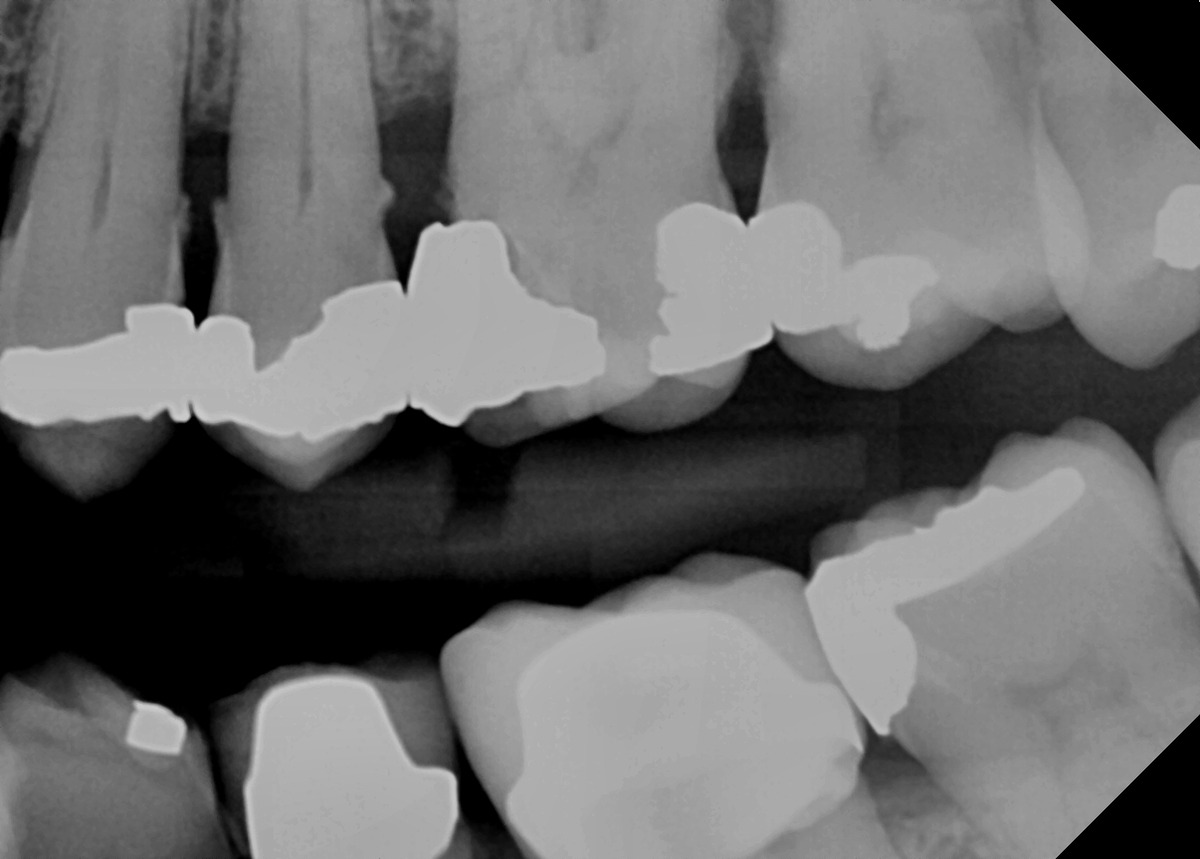
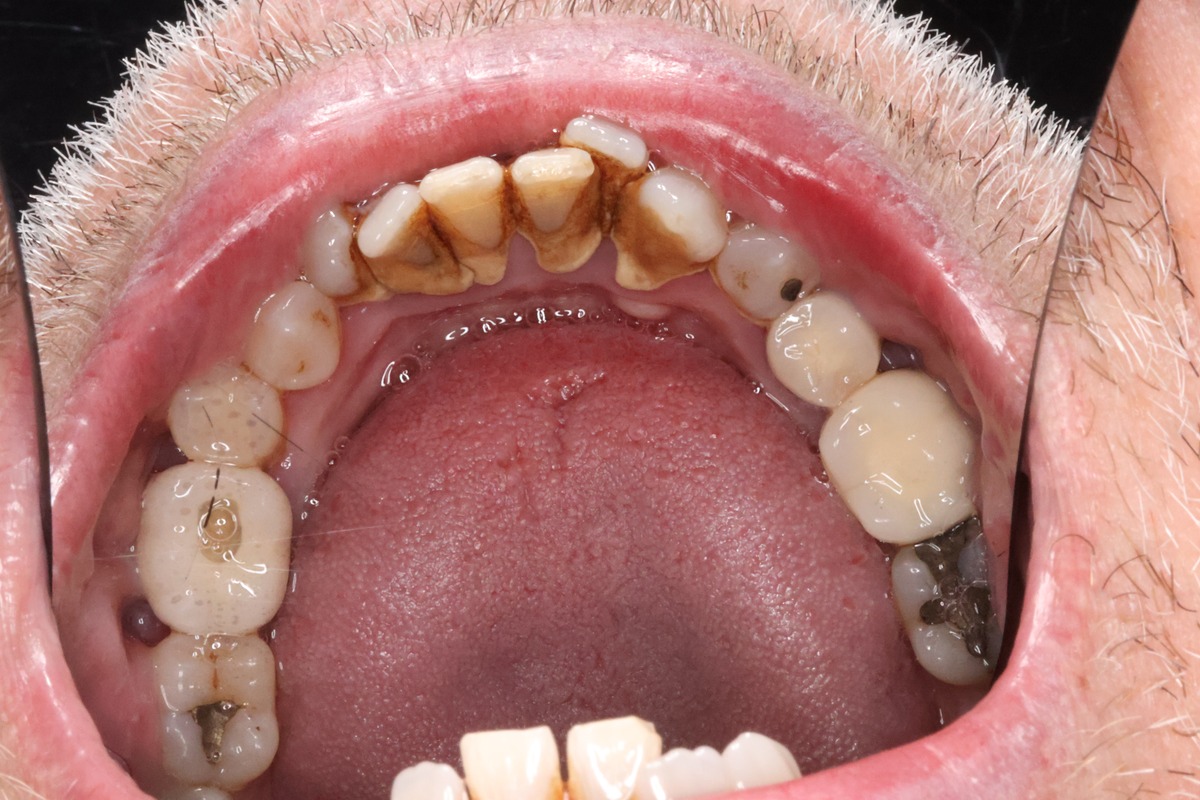
This case is of a 70-year-old male that came to West Wind Dental after not being seen in 10+ years for any dental care. He was interested in establishing himself at our office in order to improve his oral health.
During his examination, there were findings of multiple areas of severe bone loss caused by bacteria under the gum line, near the teeth roots, and persistent inflammation of the patient’s gums. There was also a significant amount of tartar buildup both under the gum line and on the crowns of the teeth.
Due to these findings, this patient was diagnosed with periodontal disease and was recommended to proceed with scaling and root planing to treat.
After
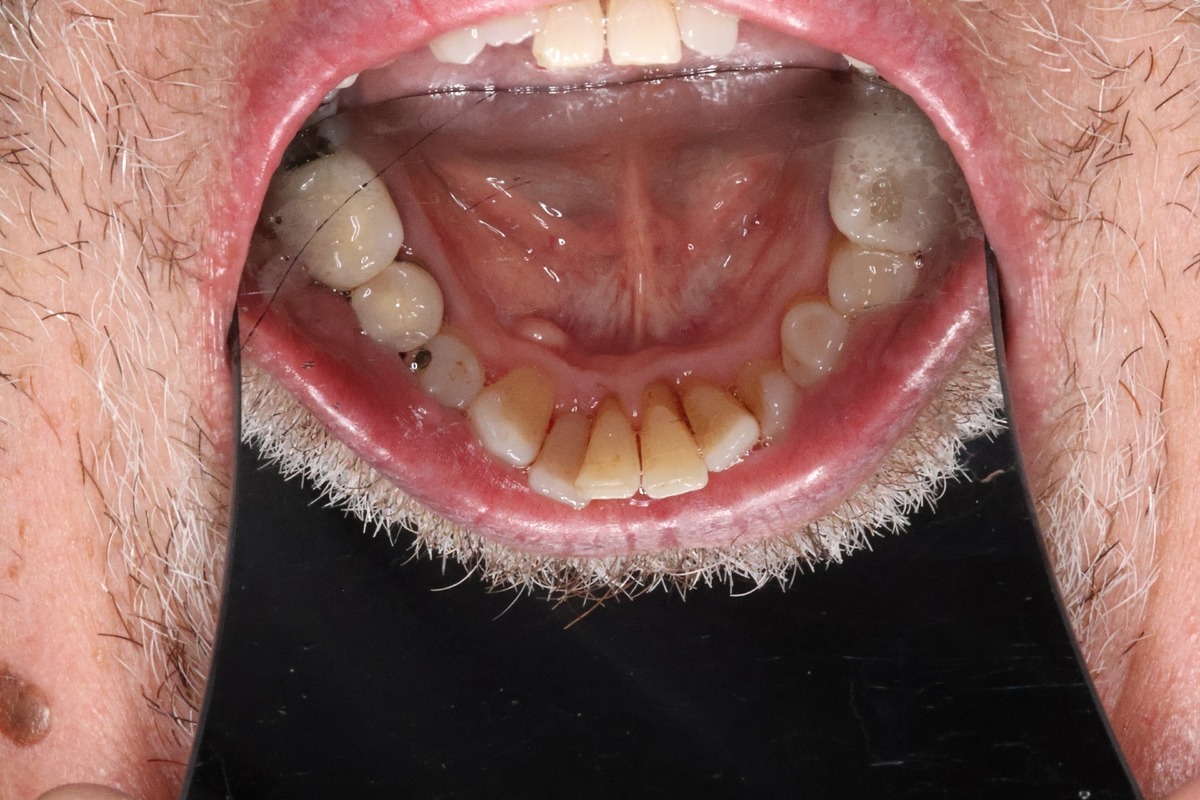
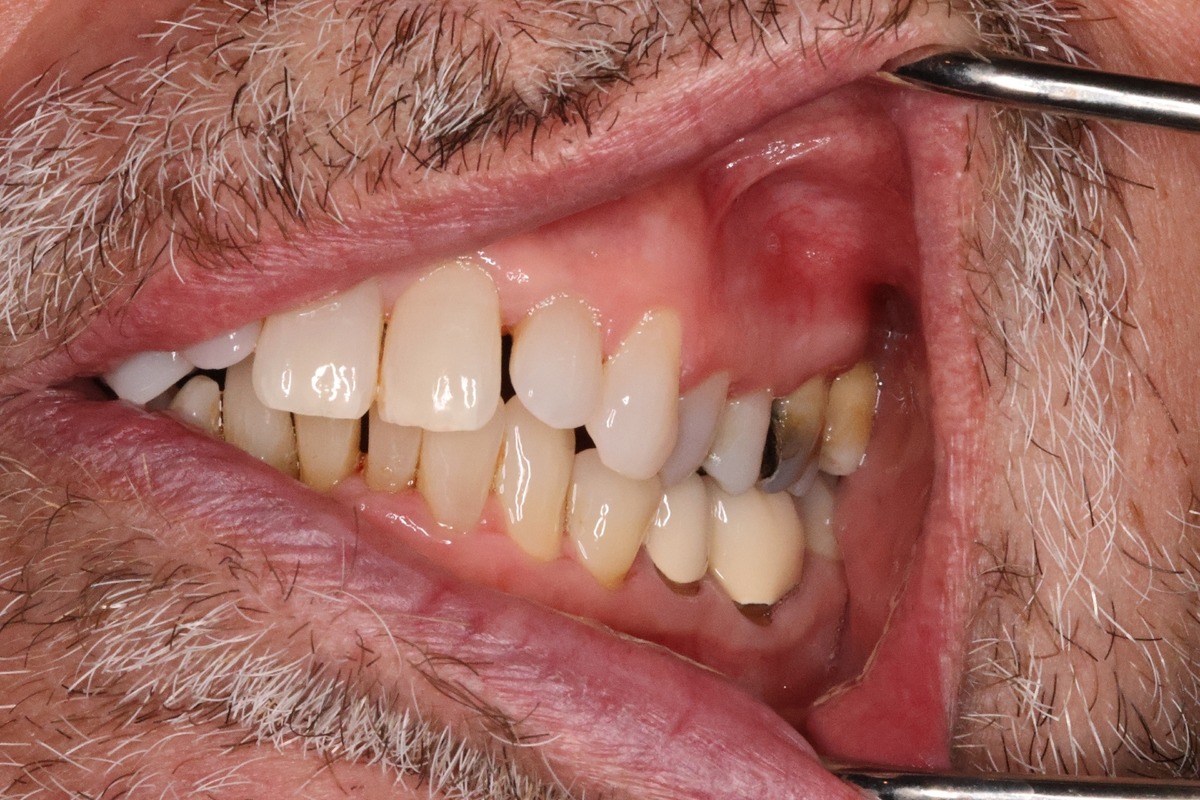
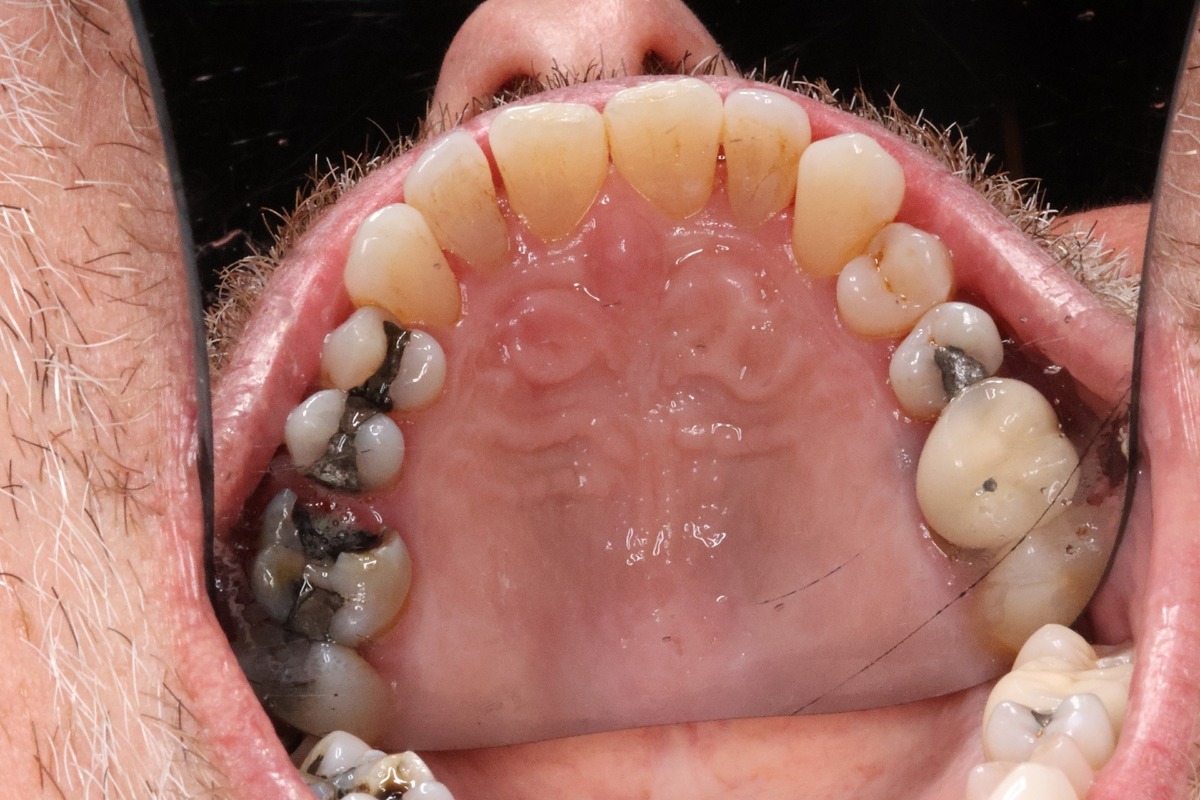
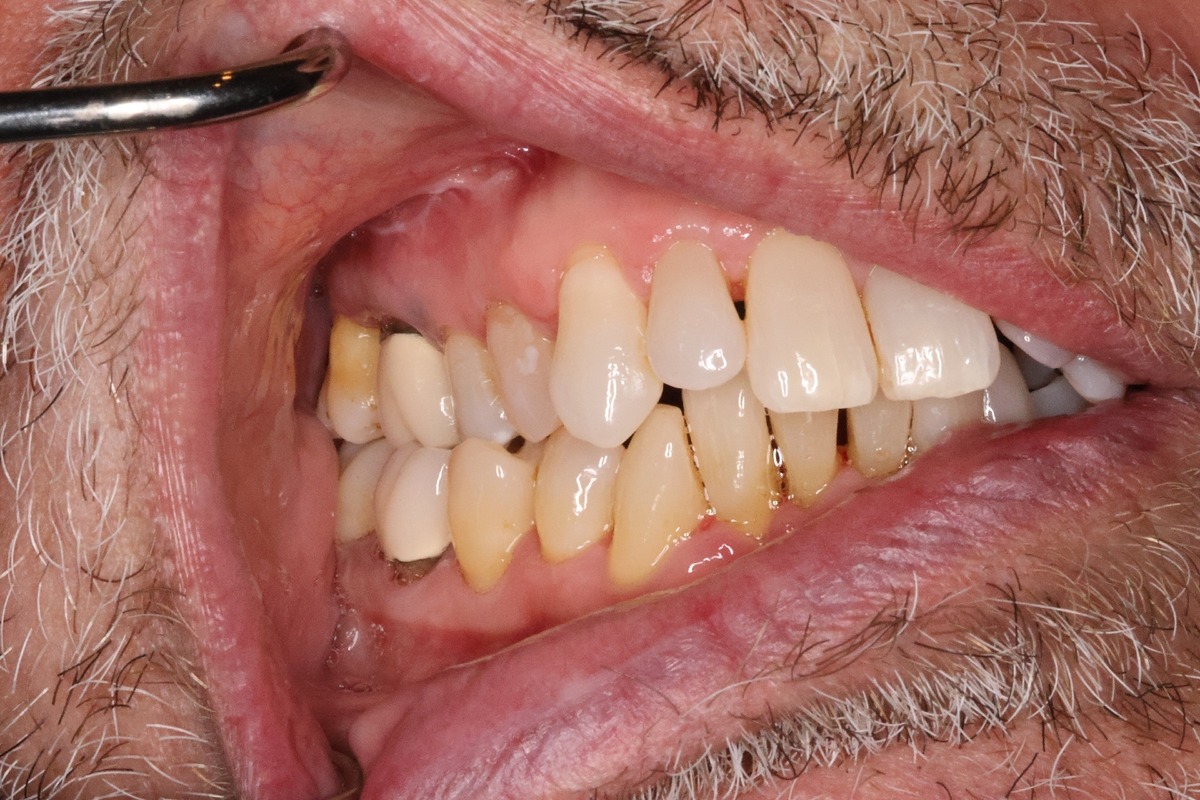
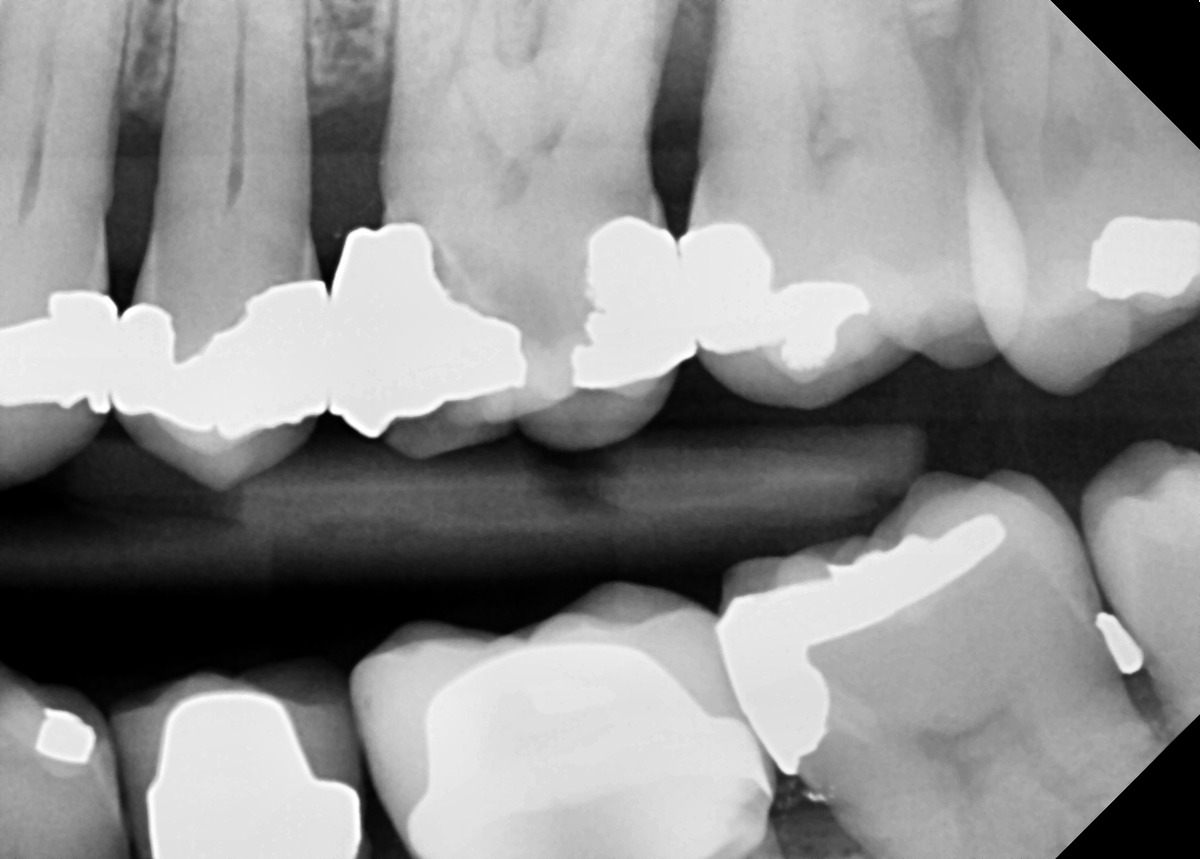
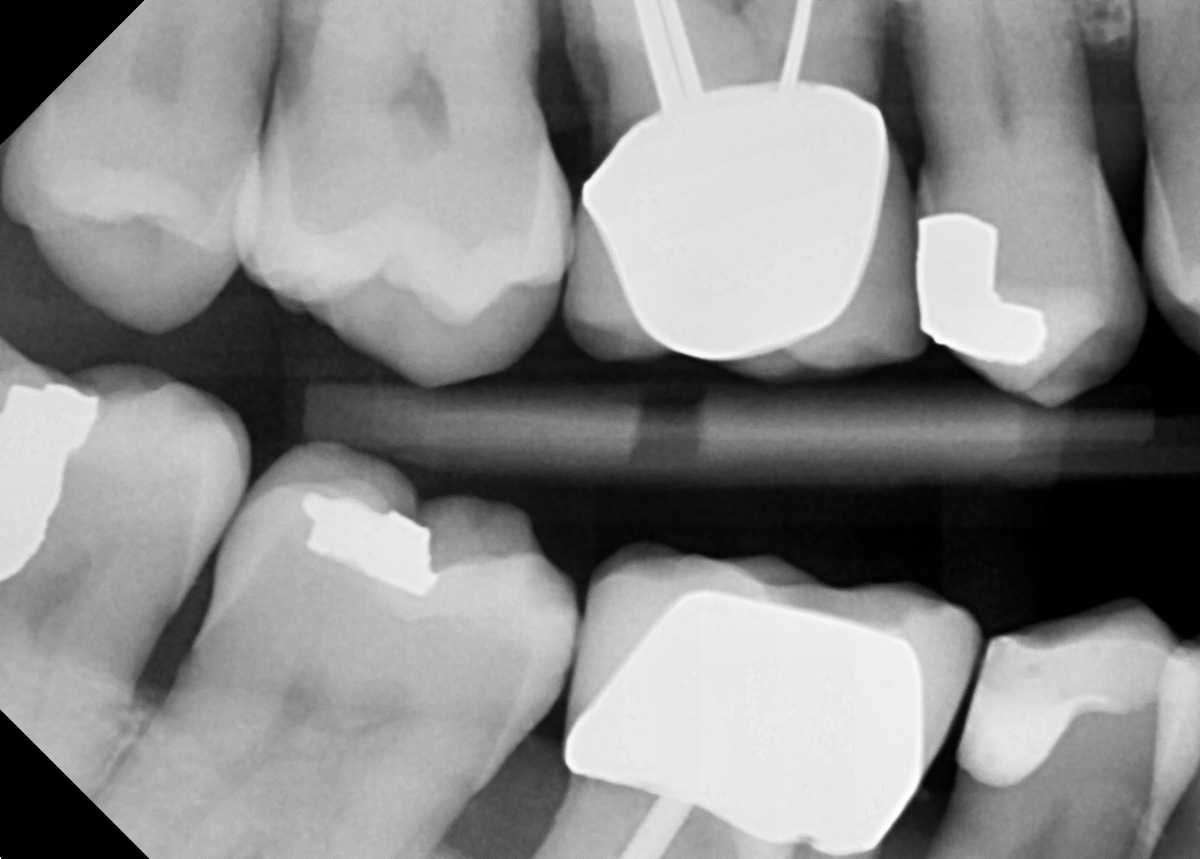
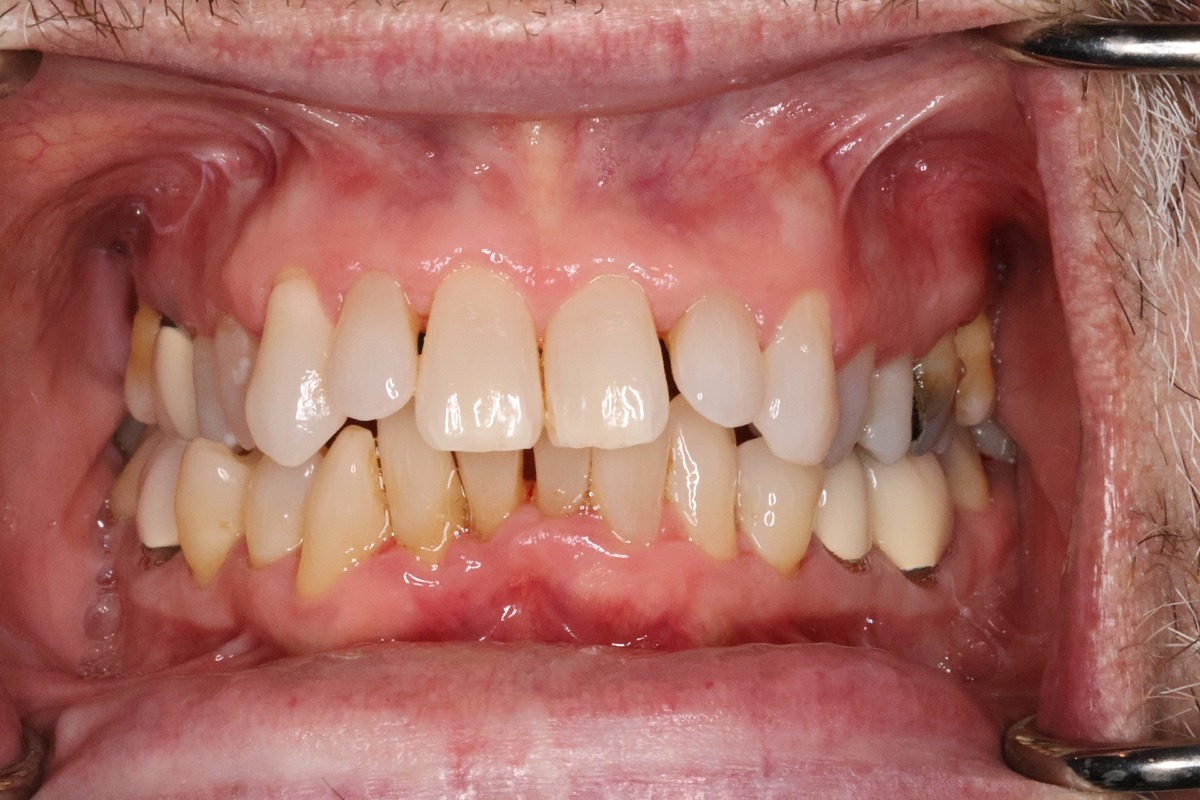
Unfortunately once a patient has periodontal disease, it is something they have for life. Luckily it can be managed with frequent cleanings and efficient homecare. This patient returned for a tissue check four weeks after his deep cleaning had been completed. He is definitely more prone to tartar buildup as is seen on his lower front teeth.
But, during a dental exam at four weeks, the patient’s gums looked significantly better. There was a reduction in redness and bleeding of the gums and improvement in the measurements of the attachment loss around his teeth.
Case 3 – Significant Tartar Buildup
Before
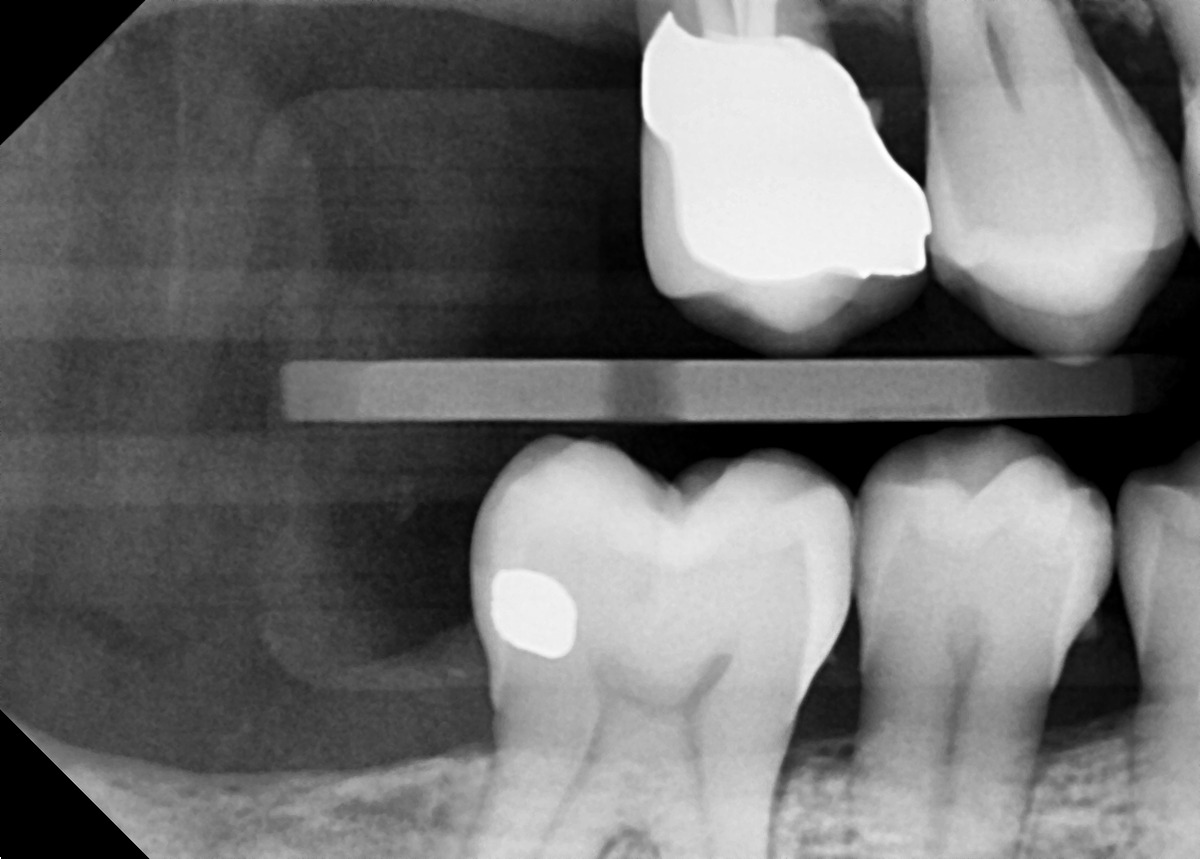
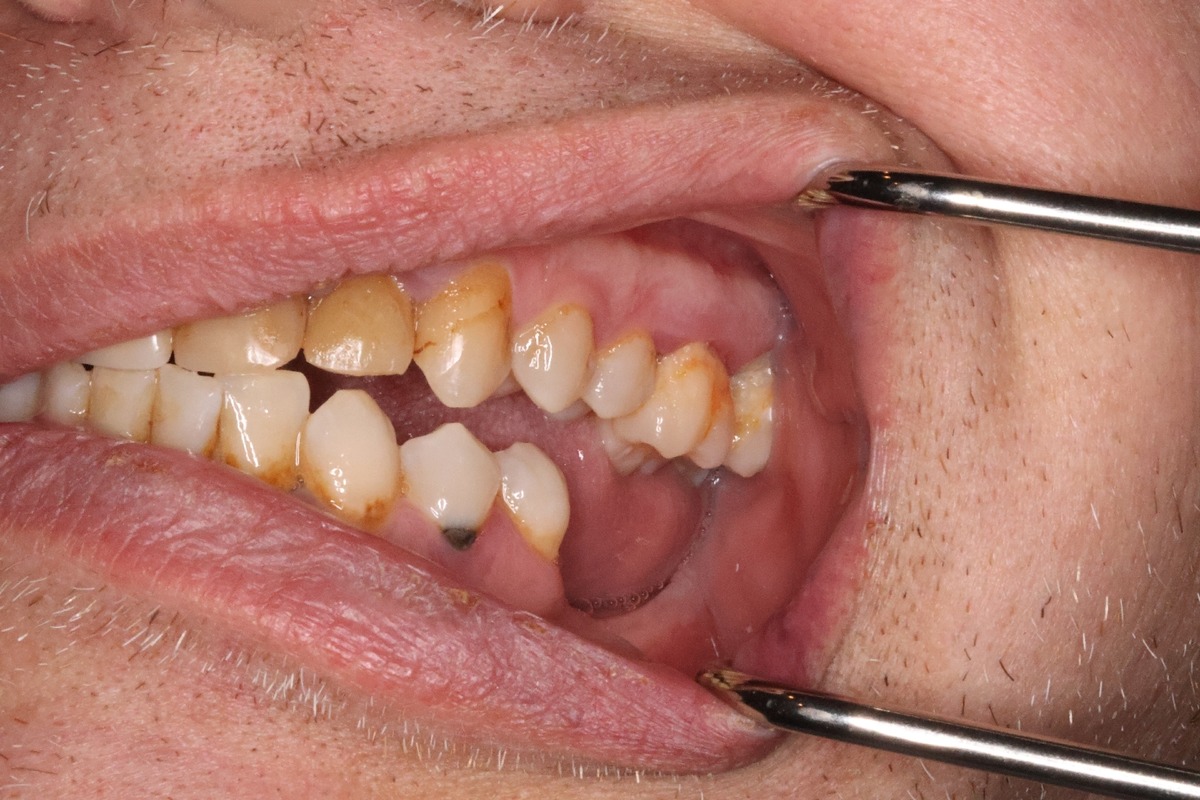
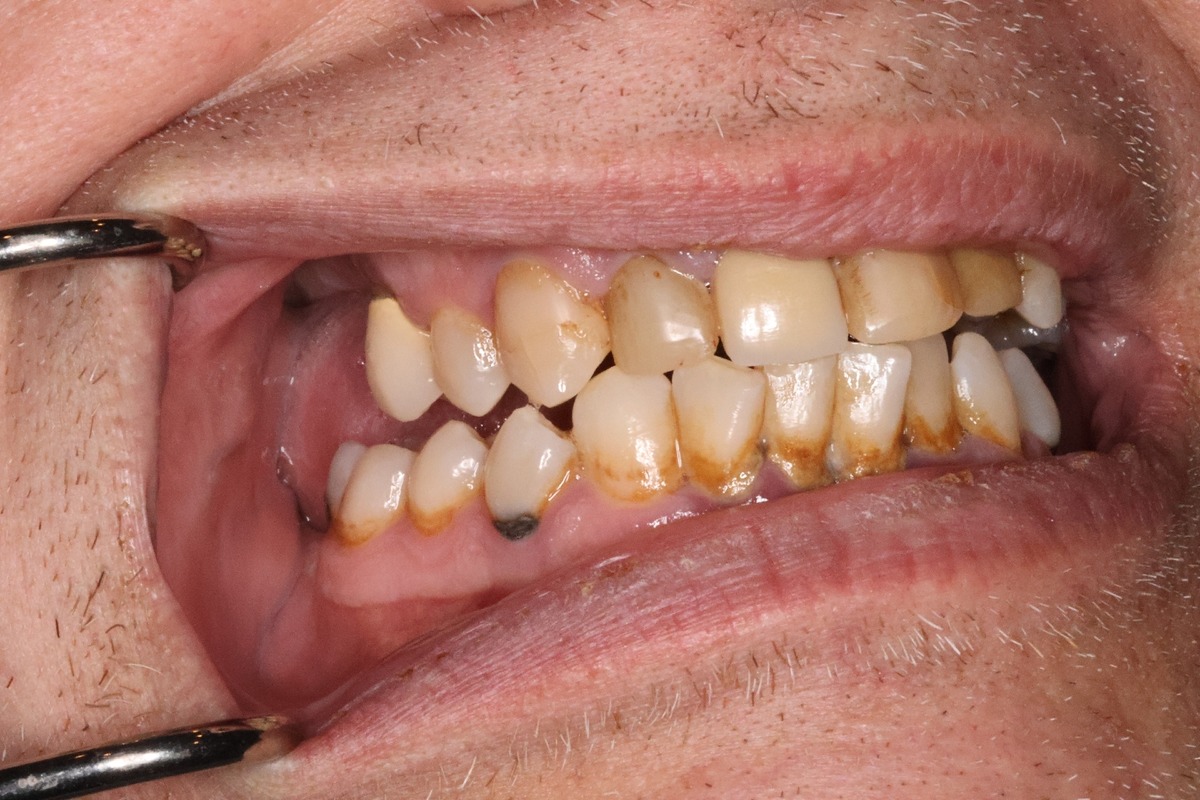
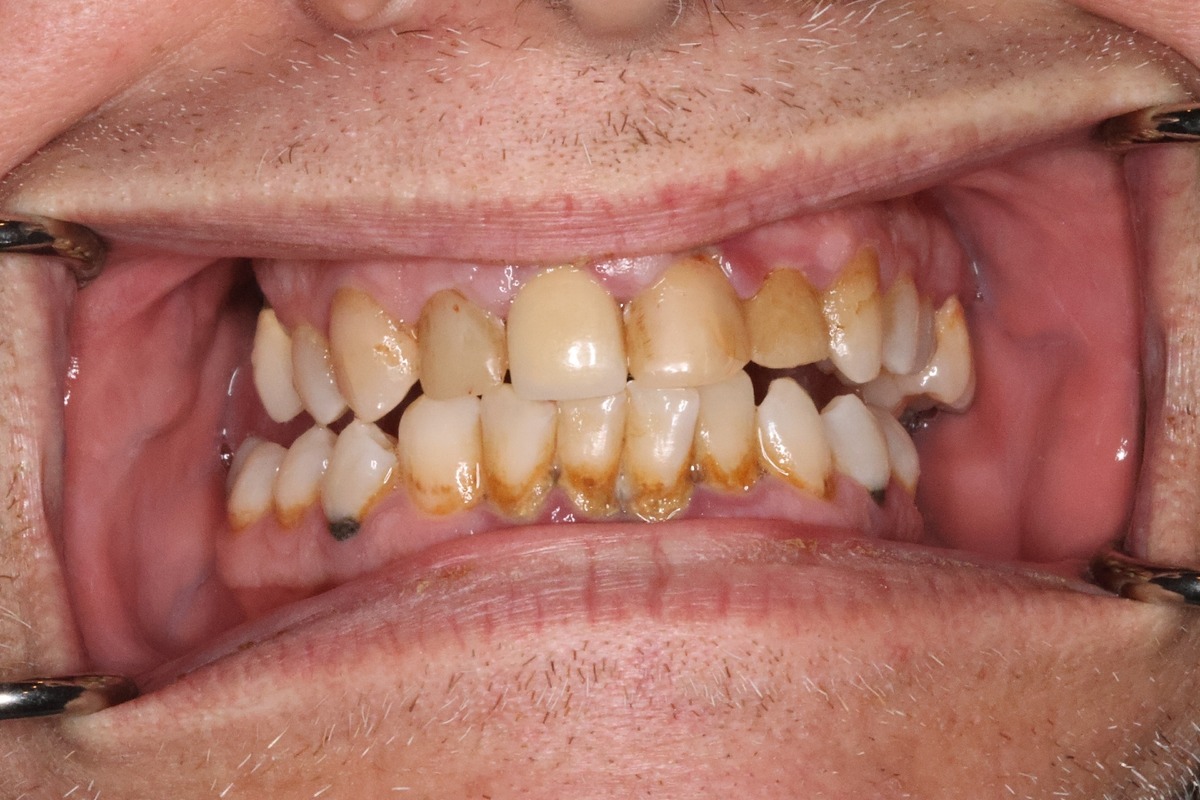
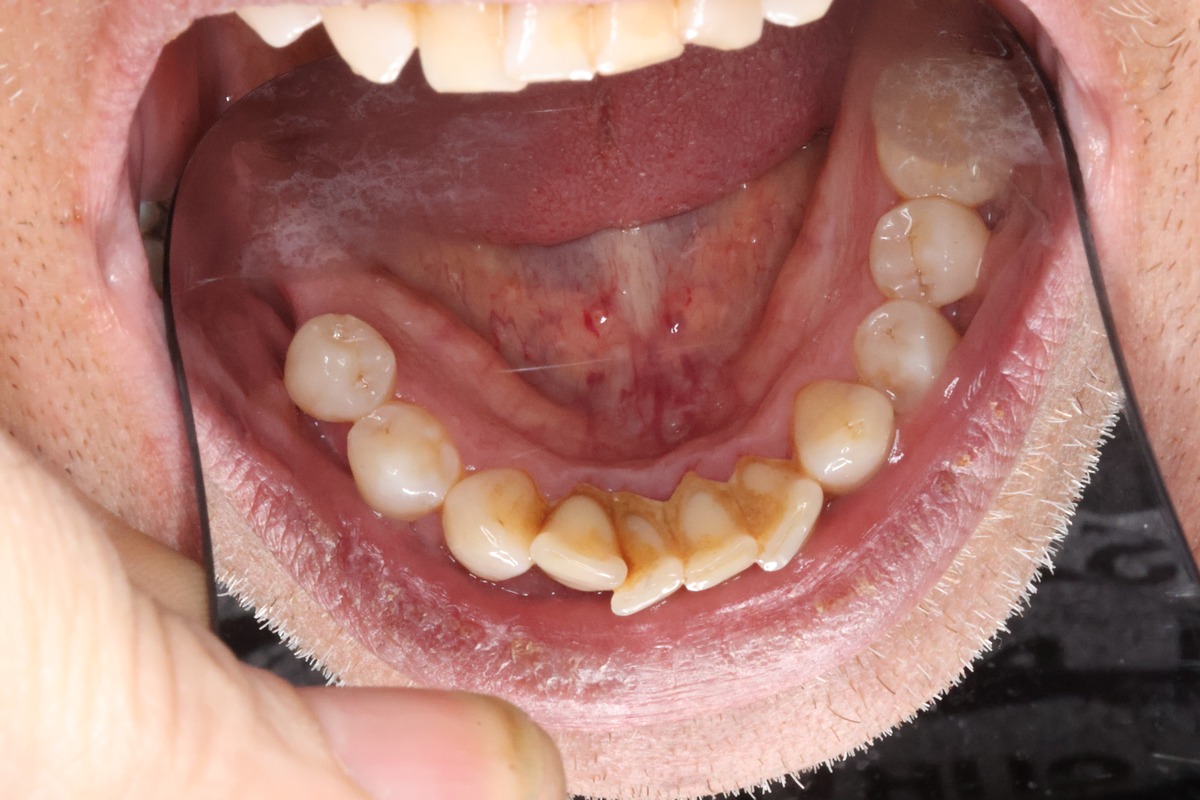
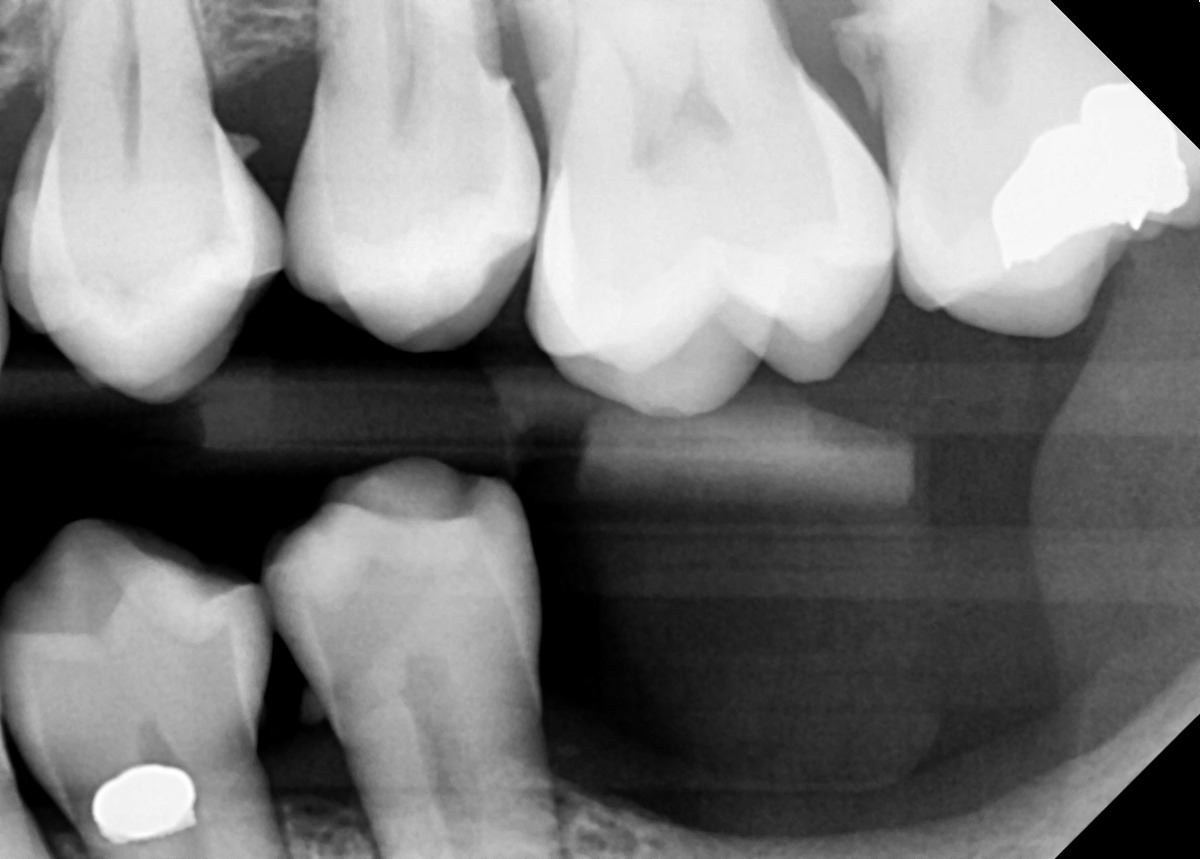
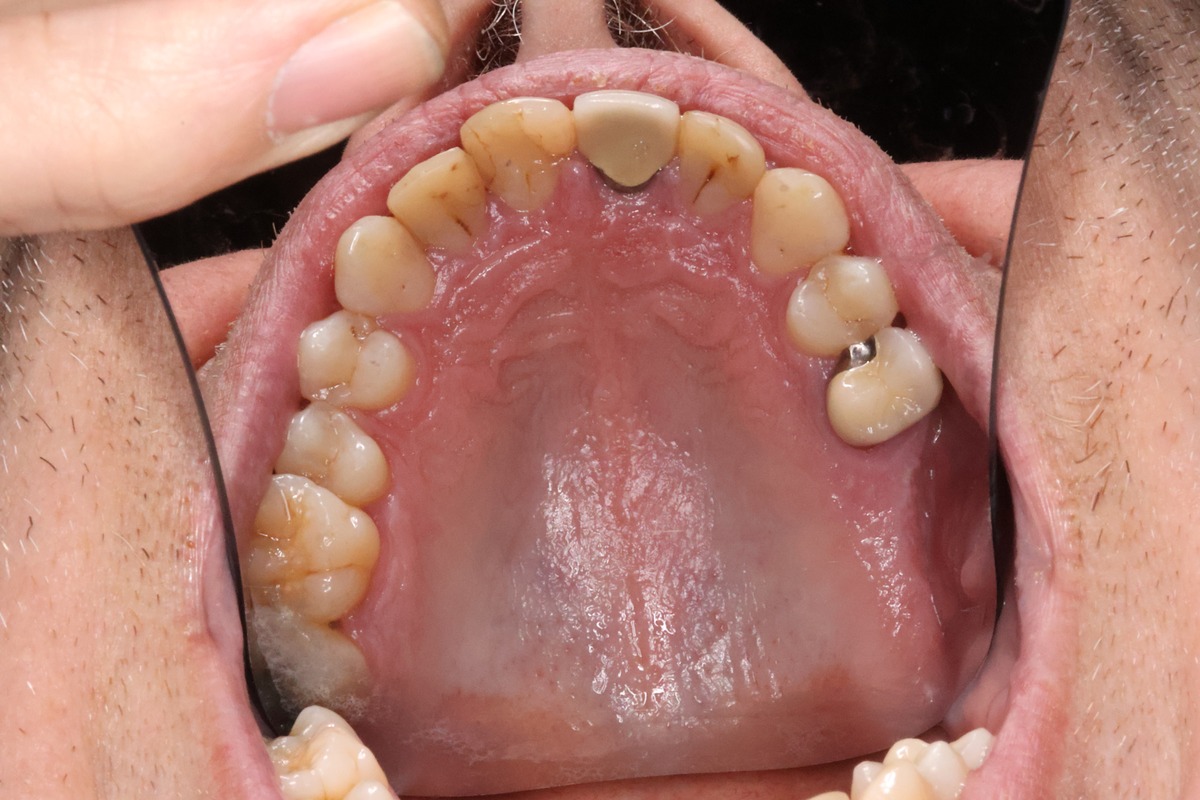
In this case, the patient is a 51-year-old man that had not had a cleaning in five years. In this time, a significant amount of tartar buildup accumulated between his teeth. During his dental exam, it was noted that, in addition to the buildup, there was also a progression of lost bone around the teeth. This led to a diagnosis of gum disease.
Due to the tartar buildup and bone loss, it was recommended that the patient go through the scaling and root planing process. In doing so, we are able to establish a healthier oral environment that removes inflammation-causing irritants and allows the gum tissue to heal.
After
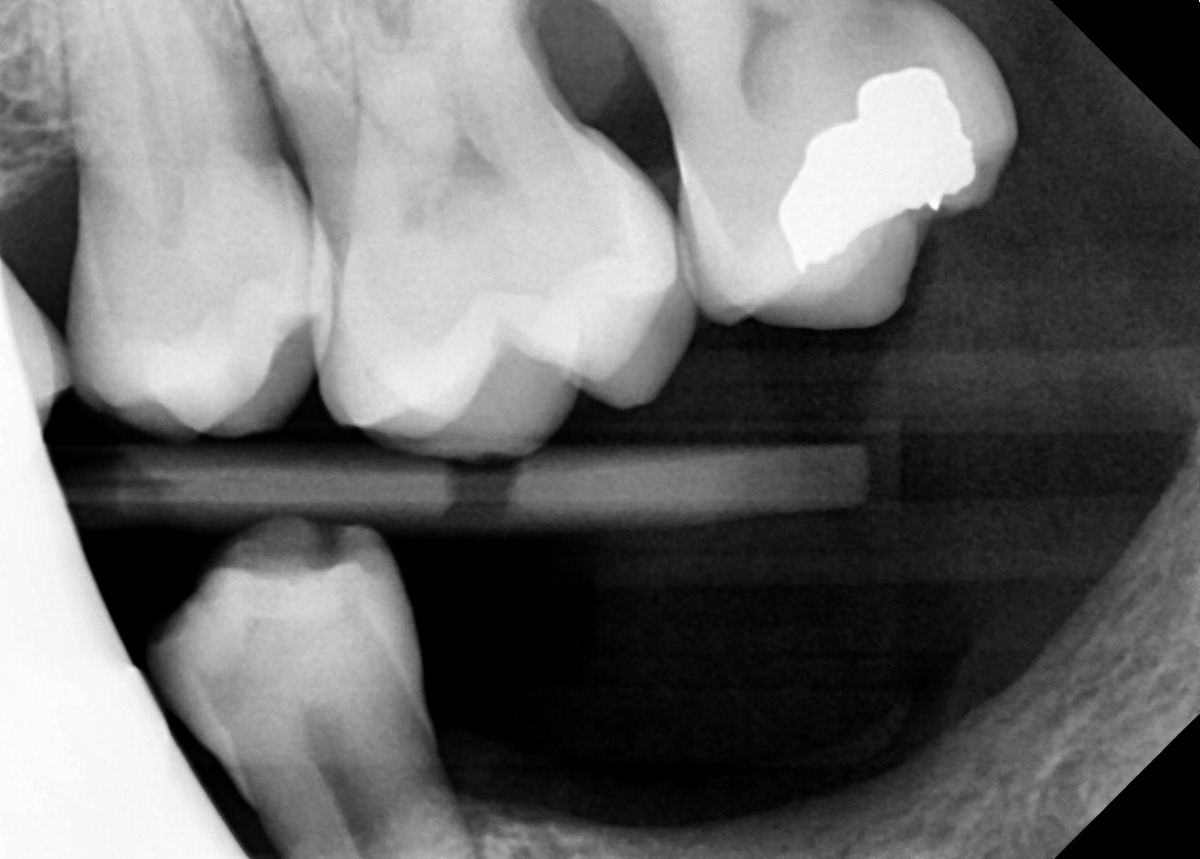
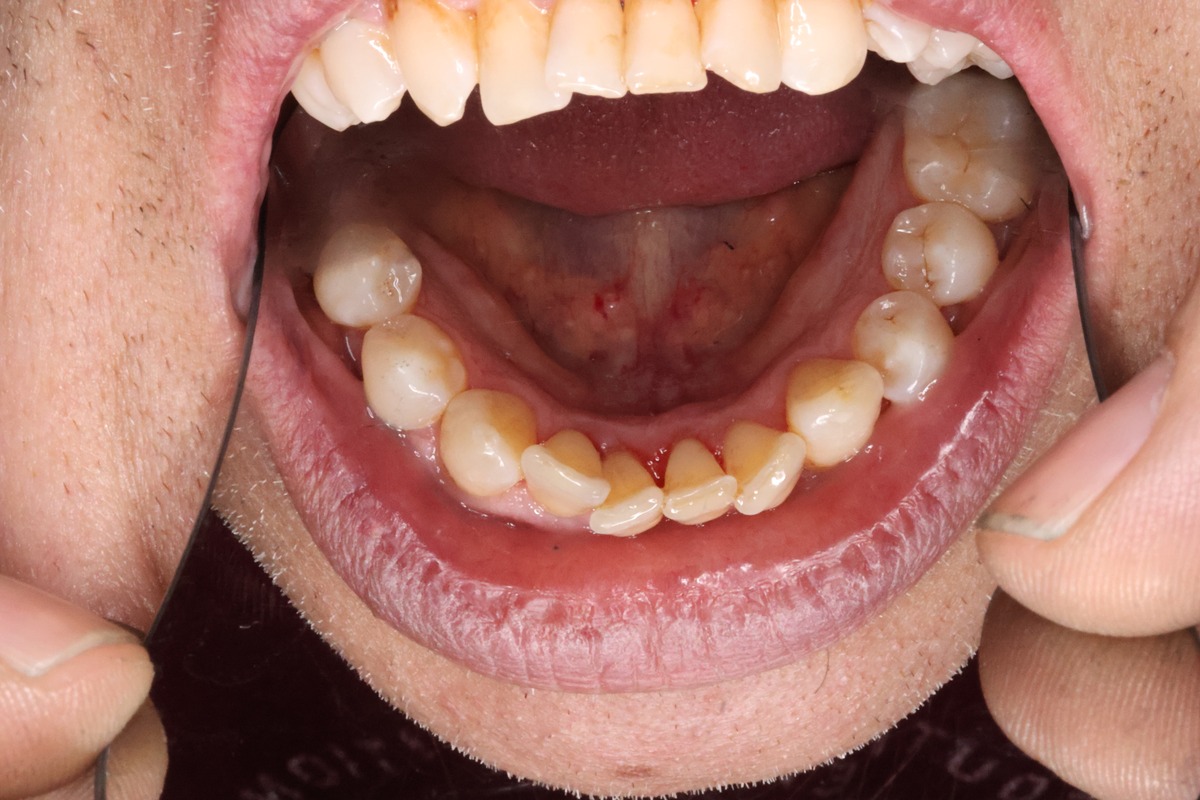
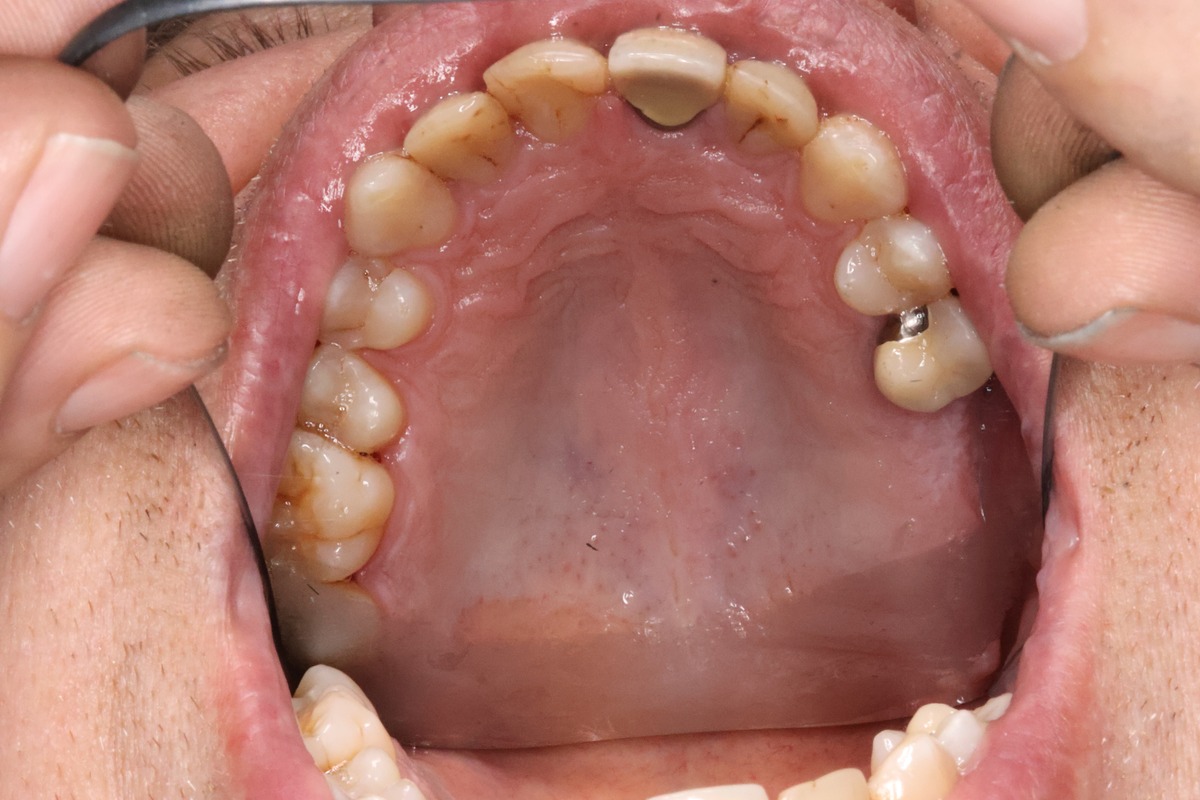
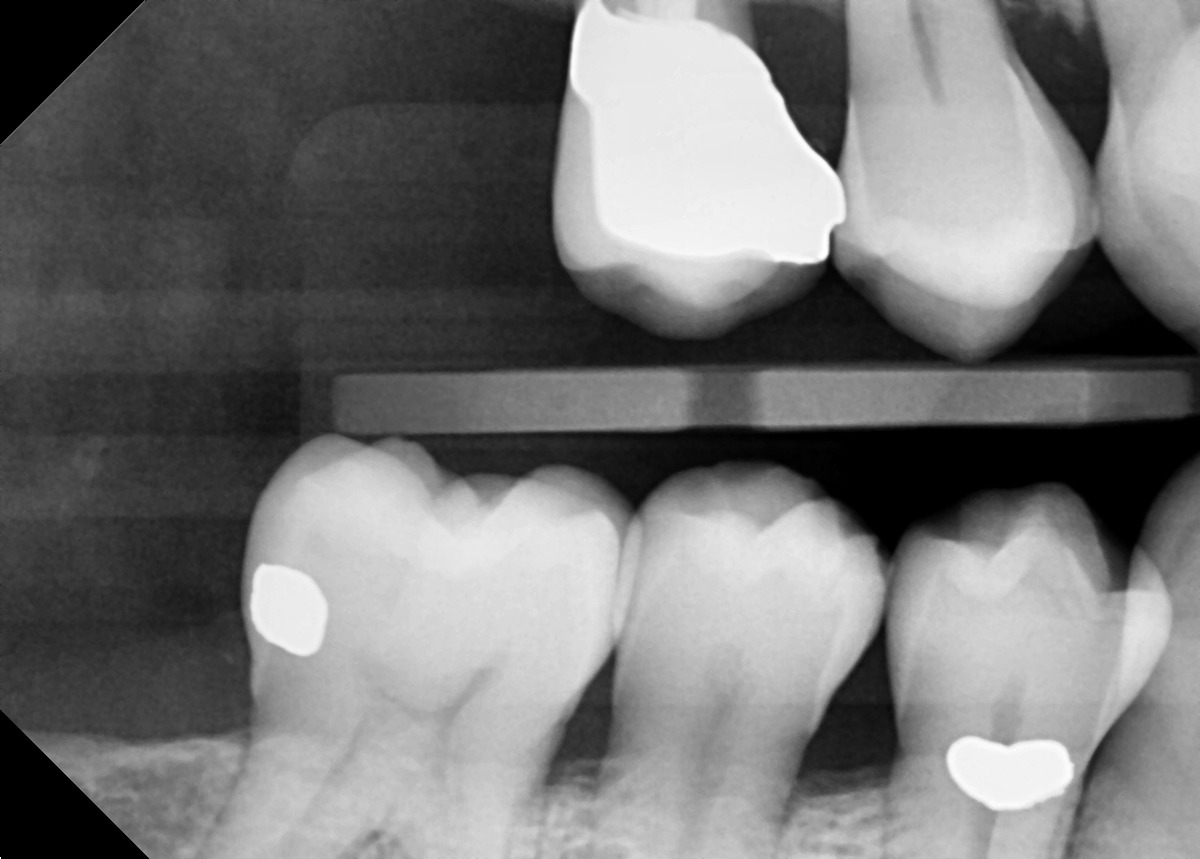
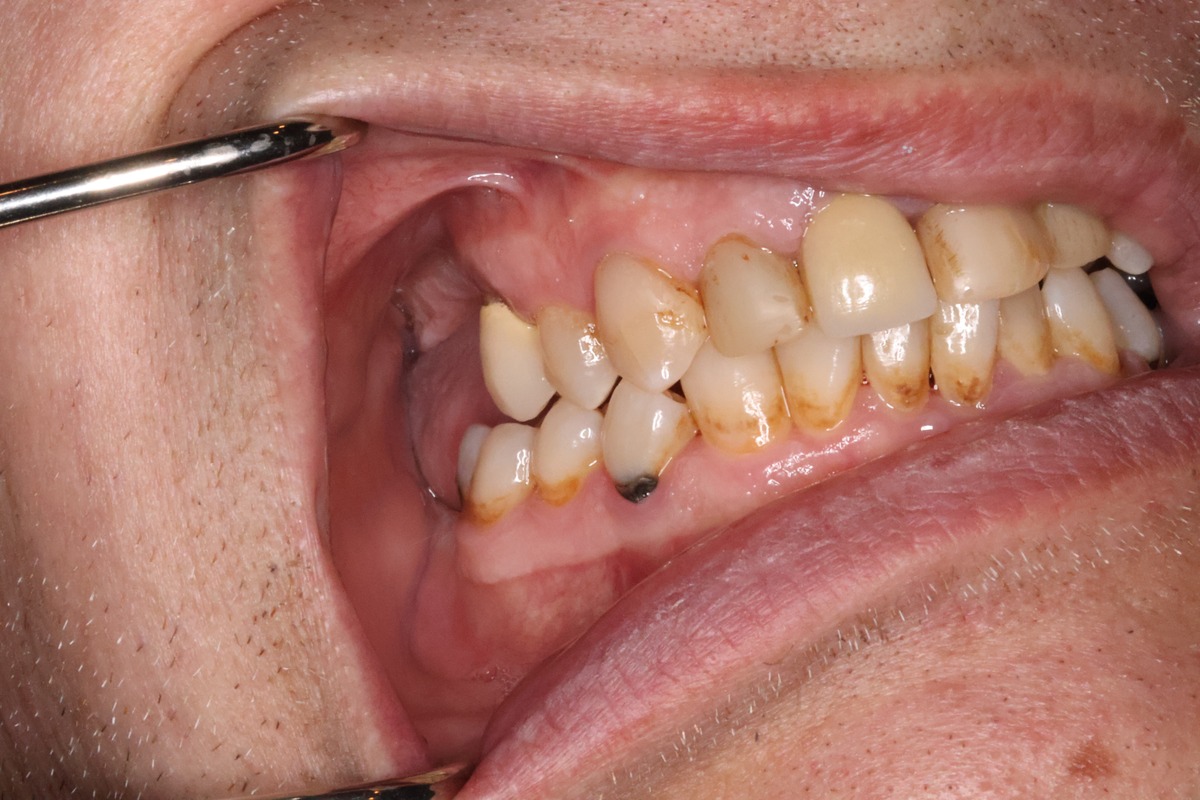
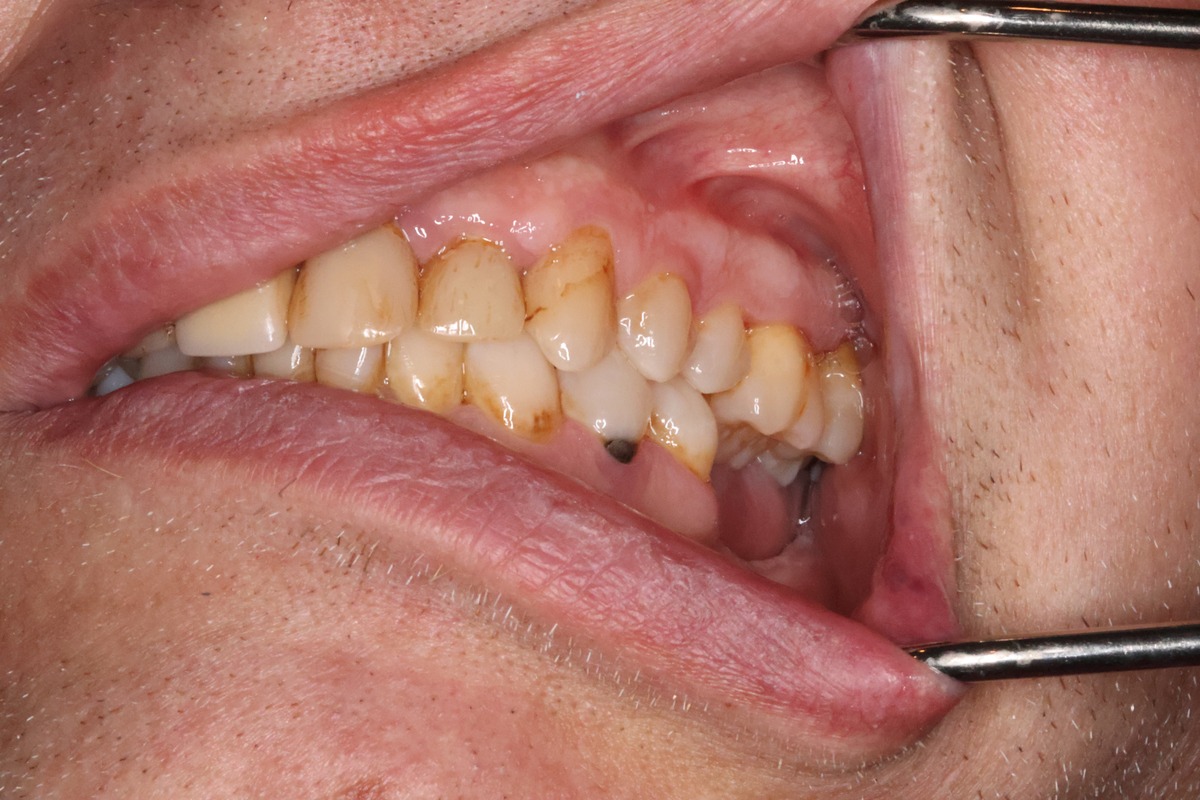
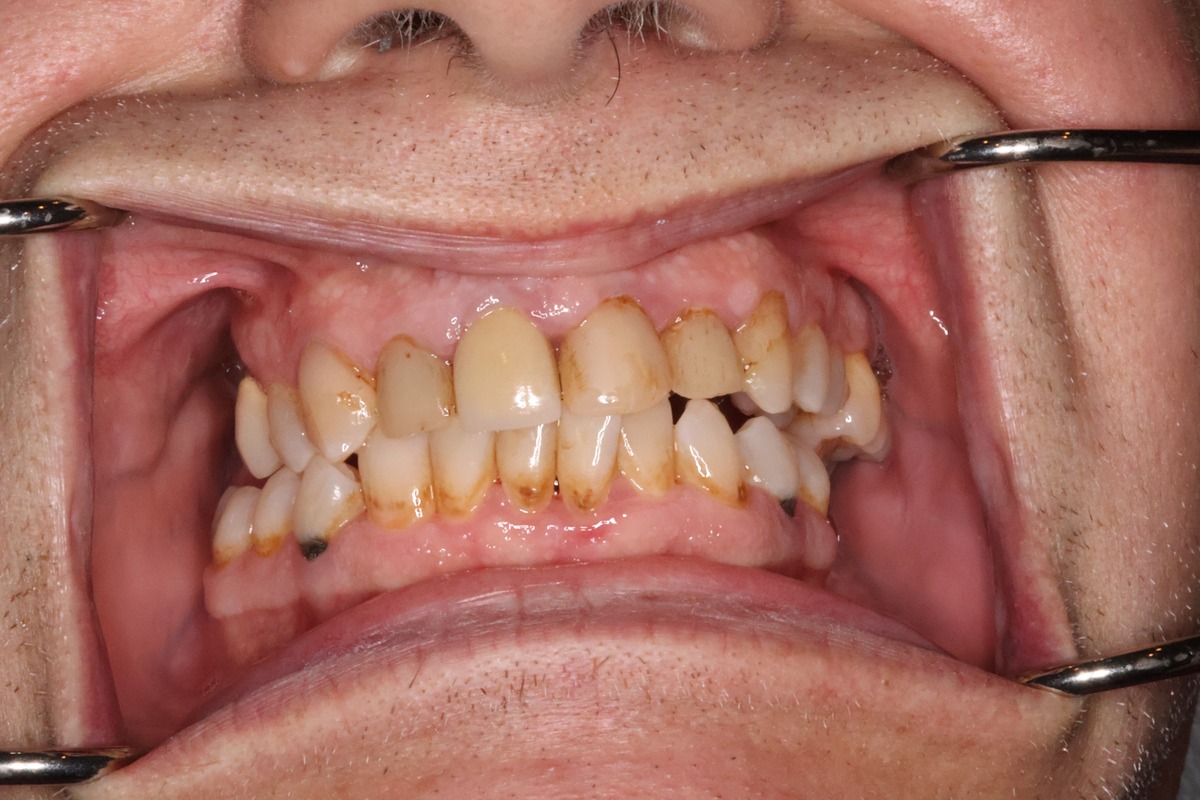
The patient returned for additional care and cleaning four months after the scaling and root planing had been completed. There is a distinct reduction in both the redness and swelling of the gums.
And, while it’s not possible to fully see gums reattach, the tissue is much tighter around the tooth. The overall attachment loss measurements have decreased. He has been keeping up with brushing two times a day and flossing regularly.
Conclusion
Regular dental cleanings are essential in preventing periodontal disease.
During these visits, the dental hygienist will remove plaque and tartar that can cause gum inflammation and infection. Early intervention helps in detecting signs of periodontal disease before it progresses. This ensures that any issues can be addressed promptly.
By maintaining routine cleanings, you minimize the risk of gum disease, protect your oral health, and preserve your natural teeth for the long term.
Schedule Your Dental Cleaning Today
At West Wind Dental, we are committed to helping our patients keep their gums healthy. We firmly believe that regular dental visits are the best way to avoid severe gum disease. Whether you’re looking to transfer to a new dentist in Portage, MI or you haven’t visited the office in a while, we’re here to help.
So, if you’ve been experiencing teeth sensitivity, swollen gums, or loose teeth, don’t hesitate to reach out to us. Our team will work to prevent gum disease by providing you with options to keep the condition from progressing beyond gingivitis.
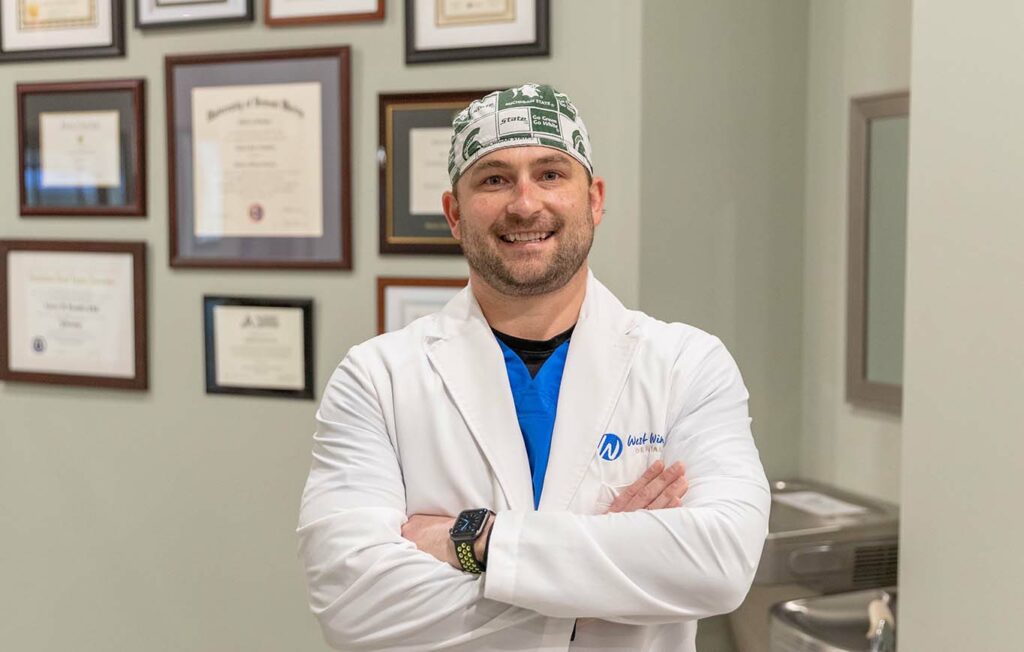
Dr. Andrew Hamilton, DDS, FAGD
Dr. Hamilton is an active member of several professional organizations including the American Dental Association (ADA), the Michigan Dental Association (MDA), the Kalamazoo Valley District Dental Society (KVDDS), the American Academy of Implant dentistry (AAID), the International Academy of Facial Aesthetics (IAFA) and also attends courses with the Pikos Institute in Northwest Florida. He is a member of the International Congress of Oral Implantologists (ICIO), has achieved fellowship status in the International Dental Implant Association (IDIA) and in the Academy of General Dentistry (FAGD), has graduated from and is an alumnus of the Kois Center program in Seattle, and is on the faculty of the Global Dental Implant Academy (GDIA).
The little spare time left over is spent Steelhead and Salmon fishing and the occasional round of golf.