

We’re all told by our dentists that poor oral hygiene will lead to a cavity, but what does a cavity look like? Tooth decay can have an effect on tooth enamel, and that includes its appearance. However, it may be hard to notice such decay by simply looking in a mirror. This is because signs of cavities aren’t always obvious by just the appearance of the tooth.
This is especially true when cavities are between the teeth, or somewhere on the backside of a tooth, where you can’t see any signs of them without specialized equipment. Cavities can also look different, sometimes appearing as a small brown or black spot on the tooth, sometimes not appearing at all. This is why regular dental checkups can be essential in protecting your smile from sometimes hard to see decay.
Tooth decay often starts without any noticeable signs. The tooth enamel wearing down can come without any initial tooth sensitivity or signs of tooth decay visible to the naked eye. So, how do you see early cavity signs to stop tooth decay in the early stages? The answer is regular dental visits and regularly using fluoride toothpaste! Cavities in an x-ray (radiograph) look like little shades of gray compared to the bright white of healthy teeth. These are the best way to see signs of what a cavity looks like in the early stages, as they sometimes haven’t even reached the surface of the tooth. Fluoride toothpaste can help control the bad bacteria in your mouth as well as clean any clinging sugar from food and drinks.
This is also why visiting a professional for dental care can help you avoid tooth decay that leads to further problems and helps you spot signs of a cavity. Cavities might not necessarily look like anything, but a dentist can either see them through an x-ray or also feel them with their dental tools. Even early cavities, if they’re near the surface of a tooth, will cause the tooth to have a soft “tacky” feeling to them when checking the chewing surfaces with dental tools.
Cavity formation happens when certain bacteria in our mouths use sugar in food to make acids. Over time these acids wear at the natural tooth structure by eroding tooth enamel, causing the early stages of a cavity. This is why dentists always recommend avoiding eating or drinking too many sugary foods, as these bacteria thrive on them and cause more tooth decay than would otherwise happen. The decay is what can sometimes cause a brown or black appearance, or causes it to go deeper in the tooth, making the cavity look like nothing on the surface.
If your cavity hurts, this is typically because the pulp has become swollen and irritated from bacteria within the tooth. Because of the structure of the tooth, the swelling doesn’t have anywhere to expand. This causes tooth sensitivity and pain because the nerves have pressure put on them. This is another reason why it’s important to catch early stages of a tooth decay, because if you catch cavities early and they’re near the surface of the tooth, you can avoid pain and potential infection. As tooth decay progresses, although you then might notice you have a problem with your teeth because of pain, you can better avoid these problems altogether through improved oral hygiene and regular checkups to your dentist.
From recommending fluoride toothpaste to checking scans of your teeth, your dentist has all the advice and resources to best help you avoid cavities. Not only will they help you see what a cavity looks like, but they can provide you with improved oral hygiene tips to avoid getting any yourself, or the steps to take if you do see any signs of cavities. So, reach out to West Wind Dental to schedule your professional fluoride treatments, comprehensive dental examinations, and more to prevent cavities. We look forward to helping you improve your dental health!
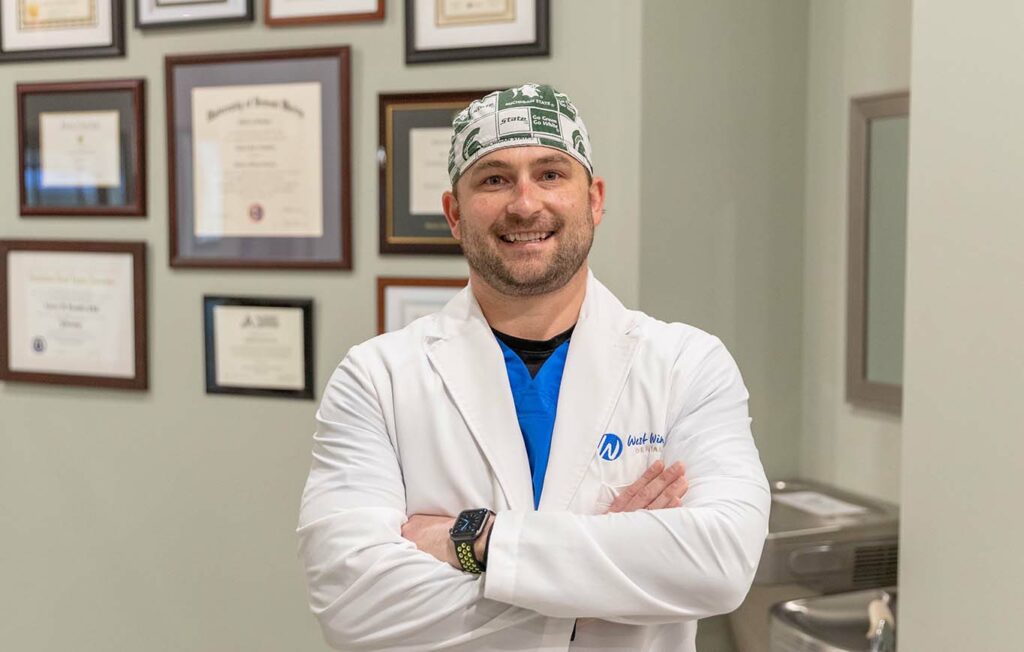
Dr. Hamilton is an active member of several professional organizations including the American Dental Association (ADA), the Michigan Dental Association (MDA), the Kalamazoo Valley District Dental Society (KVDDS), the American Academy of Implant dentistry (AAID), the International Academy of Facial Aesthetics (IAFA) and also attends courses with the Pikos Institute in Northwest Florida. He is a member of the International Congress of Oral Implantologists (ICIO), has achieved fellowship status in the International Dental Implant Association (IDIA) and in the Academy of General Dentistry (FAGD), has graduated from and is an alumnus of the Kois Center program in Seattle, and is on the faculty of the Global Dental Implant Academy (GDIA).
The little spare time left over is spent Steelhead and Salmon fishing and the occasional round of golf.